
How to Evaluate Roofing Replacement Quotes
How to Evaluate Roofing Replacement Quotes
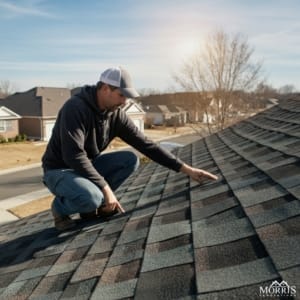
How to Evaluate Roofing Replacement Quotes
When it comes to home improvement, roofing replacement is a significant investment. It’s crucial to ensure you’re getting the best value for your money.
This starts with understanding and evaluating quotes from roofing replacement companies.
But how do you decipher these quotes? What factors should you consider?
This guide will help you navigate through the process. It will empower you with the knowledge to compare services, understand the components of a quote, and make an informed decision.
Whether you’re a homeowner, property manager, or real estate investor, this guide is for you.
Let’s dive in and learn how to effectively evaluate roofing replacement quotes.
Understanding Roofing Replacement Quotes
Start by obtaining multiple quotes from different roofing contractors. This step ensures you have a range of options to consider. It allows you to compare prices and services effectively.
A comprehensive roofing quote typically includes several key components. These can be broken down into materials, labor, warranty, and additional services. Understanding each component helps you assess what the quote covers.
Here’s what to look for in each quote:
- Cost of materials, including type and quality
- Labor charges and estimated hours
- Warranty details for materials and workmanship
- Additional services like debris removal or old roof removal
When comparing quotes, make sure you’re comparing apples to apples. Different quotes might include varying materials or services, which can skew comparisons. Be sure to align all quotes on the same specifications to get a fair assessment.
An informed comparison will also consider the reputation and experience of each contractor. Price is important, but value is determined by quality and service too. A higher quote might reflect superior materials or expert workmanship, providing better long-term value.
Verifying Contractor Credentials
Before making a decision, verify the credentials of the roofing contractors. This step is crucial to ensure you’re working with legitimate professionals. Licensed contractors comply with local regulations and provide a safety net for your investment.
Check that the contractor holds valid licenses and insurance. The insurance should cover both liability and workers’ compensation. This protects you from potential liabilities in case of accidents or damages during the project.
Evaluating a contractor’s reputation is also critical. Look for reviews and testimonials from previous customers. These insights offer a perspective on the contractor’s reliability and workmanship.
Assess their experience by reviewing their track record and project portfolio. Consider how long they’ve been in business and the scope of projects they’ve completed. An experienced contractor often provides better service and quality, reflecting in lasting roofing solutions.
Analyzing Costs and Materials
The choice of materials significantly influences the overall cost of your roofing project. Different materials, such as asphalt shingles, metal, or tile, come with varying price points and lifespans. It’s essential to understand how each material impacts both the immediate expense and long-term value.
Longevity is another critical factor when selecting roofing materials. While some options may be more affordable initially, they may require more frequent replacements. On the other hand, investing in durable materials can offer long-term savings through reduced maintenance and replacement needs.
Be vigilant about hidden costs that might not appear in the initial quote. These can include disposal fees, additional labor for intricate designs, or unforeseen repairs. To avoid surprises, request a comprehensive breakdown of all costs involved.
Common hidden costs to watch out for might include:
- Structural repairs and reinforcements
- Disposal and cleanup fees
- Additional labor for complex installations
Understanding these elements allows for a clearer assessment of the overall project budget.
The Importance of a Detailed Contract
A detailed contract is crucial when working with roofing replacement companies. It clearly defines the scope of work, outlining every task and responsibility in detail. This ensures that both parties have a mutual understanding of the project’s expectations and deliverables.
Payment terms are another essential aspect covered in the contract. Look for transparency in the payment schedule, including any deposits required and milestones for payments. This helps in planning your finances and avoids misunderstandings during the course of the project.
Additionally, warranties provide valuable protection against future issues. Ensure that the contract includes specifics about what the warranty covers and its duration. A comprehensive warranty can safeguard your investment and provide peace of mind for years to come.
Evaluating Additional Services and Upgrades
When reviewing roofing replacement quotes, consider the value of any proposed upgrades. Upgrades might include energy-efficient shingles, enhanced ventilation, or improved insulation. These enhancements can increase the roof’s lifespan and lower energy costs.
Assessing additional services is also important. Some roofing contractors offer extra services like gutter installation or attic inspections. Determine whether these services add value to your project or if they are merely convenient but unnecessary extras.
Weighing the benefits of upgrades and additional services helps in making informed decisions. Opt for options that align with your long-term goals and budget, ensuring you get the most from your investment.
Local Factors and Weather Considerations
The local climate plays a critical role in choosing the right roofing materials. Harsh winters, heavy rain, or intense heat can affect the durability and performance of your roof. Select materials that are designed to withstand local weather conditions, ensuring your roof remains resilient over time.
Proximity to the roofing contractors is another factor to consider. Hiring roofing companies near you can mean faster response times for emergency repairs and quicker project completion. Local contractors are often more familiar with regional building codes and regulations, reducing potential delays.
Consider how weather may affect the timing of your roof replacement. Unfavorable conditions can lead to project delays, so discuss potential weather-related challenges with your contractor. Ensure they have a plan for dealing with such situations to avoid complications during installation.
Finalizing Your Decision
Once you’ve reviewed all the quotes, focus on the level of communication and customer service offered by each contractor. Good communication ensures a smoother project flow and fewer misunderstandings. Evaluate how promptly they respond to inquiries and how clearly they explain the project details.
Negotiating terms can be an effective way to tailor a quote to suit your budget. Discuss any terms you don’t agree with and suggest alternatives. Many roofing contractors are open to negotiation and may offer better deals if asked professionally.
Consider what post-installation services and maintenance the company offers. This could include regular check-ups, maintenance plans, or emergency services. A reliable contractor will provide thorough aftercare to ensure your roof continues to perform well over time.
Before making a final decision, remember these essential points:
- Evaluate communication quality.
- Engage in constructive negotiations.
- Assess available post-installation services.
By keeping these factors in mind, you’ll be better equipped to choose the right roofing replacement company for your needs.
Conclusion and Next Steps
After gathering and analyzing quotes, conduct a final review. Compare details thoroughly, keeping in mind quality, scope, and contractor reliability. This step ensures that you make the best decision for your home.
Make your decision based on well-researched information. Consider not just cost but also value—what does each contractor offer beyond the basics? The choice should reflect a balance between quality, cost, and service.
Once chosen, initiate the roofing replacement process by contacting your selected contractor. Establish clear communication about timelines, responsibilities, and expectations. With this preparation, you’re ready for a seamless roofing replacement experience.