
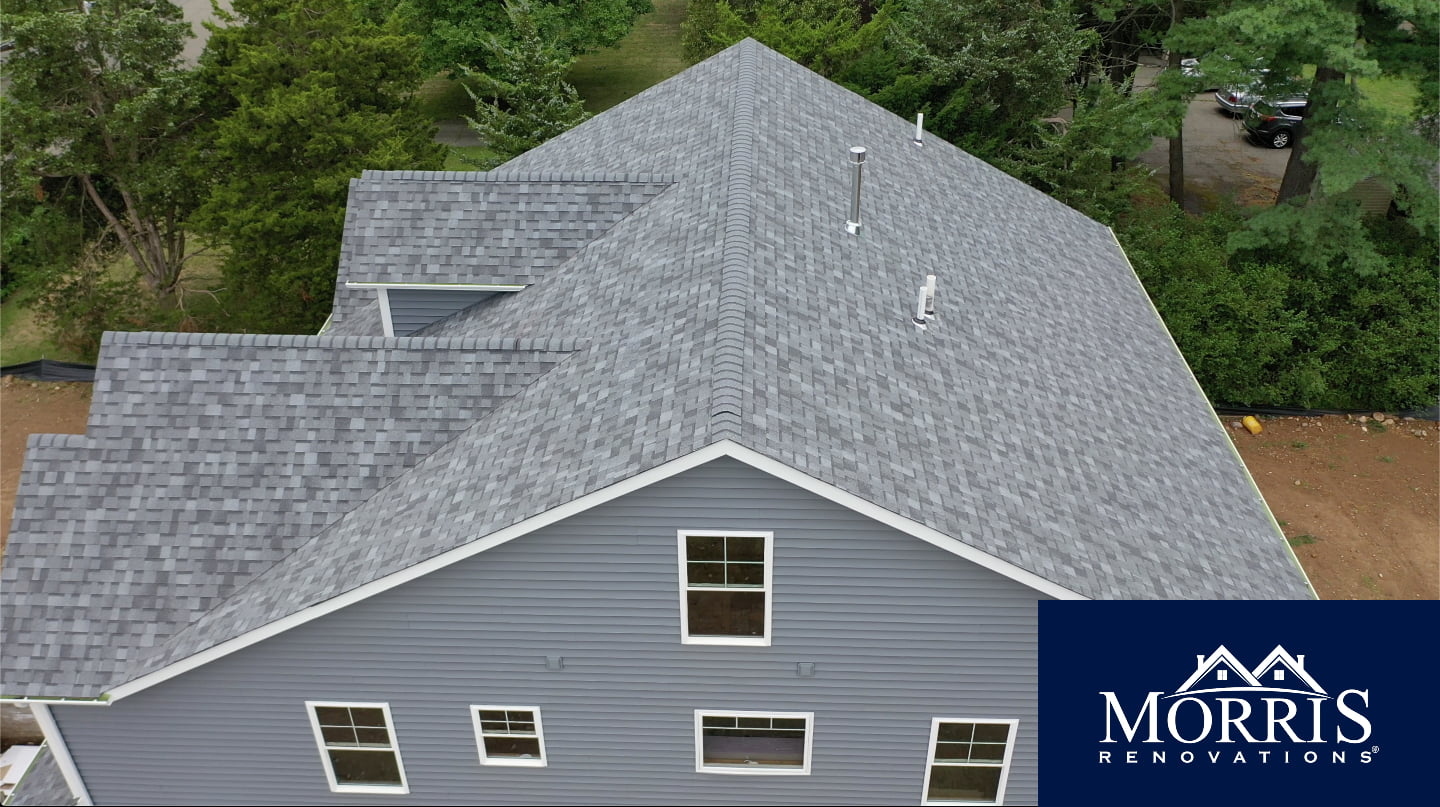
Essential Steps for Successful Roofing Installation
Roofing installation is a critical task in any building project. It’s not just about laying shingles or panels on a roof frame.
Choosing the right materials, preparing the site, and following safety measures are all part of the process. Each step is vital to ensure a durable, weather-resistant, and aesthetically pleasing roof.
This article will guide you through the essential steps for a successful roofing installation. It covers everything from preparation to post-installation maintenance.
We’ll also delve into specialized techniques for polycarbonate and snap lock metal roofing installations. These are popular choices for their unique benefits and applications.
Whether you’re a homeowner, a DIY enthusiast, or a novice roofer, this guide is for you. Let’s embark on this journey to a successful roofing installation.

Essential Steps for Successful Roofing Installation
Understanding Roofing Installation
Roofing installation is more than just a construction task. It’s a process that requires careful planning, precise execution, and regular maintenance.
Understanding the process is crucial, whether you’re doing it yourself or hiring professionals. It helps you make informed decisions and avoid common pitfalls.
Here are some key aspects to consider:
- The type of roofing material suitable for your climate and building design
- The preparation needed before the installation
- The tools and equipment required
- The safety measures to follow during the process
- The maintenance needed after the installation
The Importance of Proper Planning
Planning is the first and most crucial step in roofing installation. It sets the foundation for the entire process.
A well-planned project helps you anticipate potential challenges. It also ensures you have all the necessary materials and equipment at hand, saving you time and effort.
Choosing the Right Roofing Material
The choice of roofing material significantly impacts the durability and performance of your roof. It also affects the aesthetic appeal of your building.
Different materials have their unique benefits and drawbacks. For instance, asphalt shingles are affordable and easy to install, but they may not last as long as metal or tile roofs.
Consider factors like climate, building design, and budget when choosing your roofing material. It’s a decision that will influence your roof’s lifespan and your home’s energy efficiency.
Preparing for Roofing Installation
Before you start the actual installation, you need to prepare the site. This involves removing the old roofing material, if any, and inspecting the roof structure.
You also need to ensure the safety of the site. This includes setting up scaffolding, securing ladders, and clearing the area of any potential hazards.
It’s also important to check the weather forecast. You don’t want to start your roofing project only to be interrupted by rain or strong winds.
Lastly, make sure you have all the necessary tools and equipment ready. This will help you avoid unnecessary delays once the installation begins.
Safety Measures and Site Preparation
Safety should be your top priority during a roofing installation. This involves wearing the right protective gear, such as safety harnesses, helmets, and gloves.
You also need to prepare the site properly. This includes removing any debris from the roof and securing the area to prevent accidents.
Tools and Equipment Needed
Having the right tools and equipment can make your roofing installation smoother and more efficient. Here are some of the essential items you’ll need:
- Roofing nails and hammer
- Utility knife
- Shingle remover
- Roofing shovel
- Ladder
- Safety harness
- Chalk line
- Tape measure
- Staple gun
Remember, using the right tools not only makes the job easier but also ensures the quality of your installation.
The Roofing Installation Process
The roofing installation process involves several steps. Each step is crucial to ensure the durability and longevity of your roof.
First, you need to remove the old roofing materials. This includes shingles, underlayment, and flashing.
Next, you install the underlayment and waterproofing layer. This step is crucial to prevent water leaks and damage to your home.
Finally, you lay the new roofing materials. This could be shingles, metal panels, or any other type of roofing material.
Removing Old Roofing Materials
Before you can install new roofing materials, you need to remove the old ones. This involves using a roofing shovel or a shingle remover to pry off the old shingles.
Be careful not to damage the roof deck. Also, remember to dispose of the old materials responsibly.
Installing Underlayment and Waterproofing
Once the old materials are removed, you can start installing the underlayment. This is a protective layer that goes under the roofing materials.
The underlayment provides an extra barrier against water leaks. It also helps to insulate your home.
After the underlayment, you install the waterproofing layer. This is especially important in areas with heavy rainfall.
Laying New Roofing Materials
The final step in the roofing installation process is laying the new roofing materials. This could be asphalt shingles, metal panels, or any other type of roofing material.
You start at the bottom of the roof and work your way up. Make sure to overlap the materials to prevent water leaks.
Also, remember to install flashing around chimneys, vents, and other roof features. This helps to direct water away from these areas.
Specialized Roofing Installation Techniques
There are specialized techniques for installing certain types of roofing materials. These techniques can provide additional benefits, such as increased durability or energy efficiency.
For example, polycarbonate roofing is a popular choice for greenhouses and other structures that require natural light. It is lightweight, durable, and allows sunlight to pass through.
Snap lock metal roofing, on the other hand, is a type of standing seam metal roofing. It is known for its durability, ease of installation, and sleek appearance.
Polycarbonate Roofing Installation
Polycarbonate roofing installation involves a few unique steps. First, you need to measure and cut the panels to the correct size.
Then, you install the panels using screws with rubber washers. The rubber washers help to create a watertight seal.
Snap Lock Metal Roofing Installation
Snap lock metal roofing installation is a bit different. The panels are designed to snap together, eliminating the need for exposed fasteners.
This type of roofing is ideal for roofs with a steep slope. It provides excellent water and wind resistance.
Post-Installation: Inspection and Maintenance
Once the roofing installation is complete, the work isn’t over. It’s crucial to conduct a thorough inspection of the new roof. This ensures that the installation was done correctly and there are no potential issues.
Regular maintenance is also key to prolonging the life of your roof. This includes cleaning, inspections, and minor repairs as needed.
Remember, a well-maintained roof can last for many years, protecting your home and enhancing its curb appeal.
Conducting a Final Inspection
A final inspection should be conducted immediately after the installation. This is to identify any potential issues or mistakes that may have been made during the installation process.
It’s best to have a checklist to ensure all aspects of the roof are inspected, including the shingles, flashing, gutters, and ventilation systems.
Maintenance Tips for Roof Longevity
Regular maintenance can significantly extend the lifespan of your roof. This includes cleaning the gutters, checking for loose or damaged shingles, and inspecting the flashing around chimneys and vents.
It’s also a good idea to have your roof professionally inspected every few years. This can help identify potential issues before they become major problems.
Common Mistakes and How to Avoid Them
Roofing installation is a complex process, and mistakes can easily occur. One common mistake is improper installation of the underlayment or flashing, which can lead to leaks. To avoid this, ensure you follow the manufacturer’s instructions and use the right tools for the job.
Another common mistake is not considering the local climate when choosing roofing materials. For instance, metal roofing is excellent for hot climates as it reflects heat, while slate or tile roofs are better for colder climates due to their insulating properties. Always research and choose the right materials for your specific location and climate.
When to Consider Professional Help
Roofing installation is a significant project that requires a certain level of skill and knowledge. While DIY can be a cost-effective option, it’s not always the best choice. If you’re unsure about any aspect of the installation process, it’s wise to seek professional help.
Professional roofers have the experience and training to handle complex installations. They can also spot potential issues that you might miss. Plus, they’re familiar with local building codes and regulations. So, if your project involves a steep roof, specialty materials, or complex features, hiring a professional is a smart move.
Conclusion and Checklist
Roofing installation is a complex process that requires careful planning and execution. By understanding the steps involved and the best practices to follow, you can ensure a successful installation. Whether you’re a homeowner, a DIY enthusiast, or a novice roofer, this guide provides a comprehensive overview of the essential steps for a successful roofing installation.
Before you start your roofing installation, here’s a quick checklist to keep in mind:
- Choose the right roofing material for your climate and home style.
- Prepare the site and ensure safety measures are in place.
- Gather all necessary tools and equipment.
- Follow the correct installation process for your chosen material.
- Consider specialized techniques for materials like polycarbonate or snap lock metal roofing.
- Conduct a final inspection and establish a maintenance routine.
- Avoid common mistakes and seek professional help when necessary.
Stay Tuned Here
Facebook – https://www.facebook.com/MorrisRenovationsNJ
YouTube – https://www.youtube.com/channel/UCp2MQzbnwQ2HELpIaxyZHZg
Instagram – https://www.instagram.com/morrisrenovationsinc/
LinkedIn – https://www.linkedin.com/company/morris-renovations
Twitter – https://twitter.com/MR_Morristown
Pinterest – https://www.pinterest.com/morris_renovations/
Medium – https://medium.com/@morrisrenovationsinc
Morristown Location – https://g.page/morris-renovations-inc?gm
Randolph Location – https://g.page/r/Cc_q9x0Rt5MeEAE
