Essential Tips for Effective Roof Maintenance

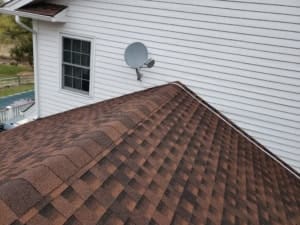
New Jersey roofer doing roof maintenance to a home
Roof maintenance is a crucial aspect of home ownership. It’s not just about aesthetics, but also about the longevity and safety of your home.
Regular roof maintenance can extend the life of your roof. It can also prevent costly repairs down the line.
This article will provide you with essential tips for effective roof maintenance. From conducting basic roof inspections to identifying common roofing problems, we’ve got you covered.
We’ll also delve into the do’s and don’ts of roof cleaning. Plus, we’ll discuss when it’s time to call in professional roofing services.
Whether you’re a homeowner, a property manager, or a DIY enthusiast, this guide is for you.
So, let’s dive in and explore how you can keep your roof in top shape.
Understanding the Importance of Roof Maintenance
Roof maintenance is vital for several reasons. Primarily, it extends the lifespan of your roof. Regular upkeep can prevent issues that lead to expensive repairs or replacements.
A well-maintained roof protects the interior of your home. It guards against water damage that can cause mold and mildew. Additionally, it helps in maintaining the structural integrity of the building.
Ignoring roof maintenance can lead to many problems. For instance, minor issues can escalate into major damages. The cost of neglect can be much higher than regular maintenance.
Roof maintenance is also crucial for energy efficiency. A good roof helps regulate indoor temperatures, reducing heating and cooling costs. This efficiency is not only good for your wallet, but also for the environment.
Here are key reasons why roof maintenance is important:
- Extends roof lifespan
- Prevents costly repairs
- Protects against water damage
- Enhances energy efficiency
- Maintains structural integrity
By understanding these benefits, it becomes clear why consistent maintenance is essential. It contributes to the overall health of your home.
Conducting Basic Roof Inspections
Conducting a roof inspection is a critical part of roof maintenance. Start by inspecting your roof from the ground using binoculars. This allows you to spot obvious issues without risking safety.
Look for missing or damaged shingles, which can lead to leaks. Check for any signs of sagging or uneven areas. These are indications of potential structural problems that may need attention.
It’s also essential to examine flashings around vents and chimneys. Damaged or corroded flashings can allow water to seep through. Ensure they are intact and sealing properly.
Don’t forget to inspect gutters and downspouts during your inspection. Clogged gutters can cause water to overflow, damaging the roof and walls. Regularly checking and clearing these can save future headaches. By keeping up with these inspections, you can tackle minor issues before they grow into costly repairs.
Identifying Common Roofing Problems
Roofing problems often start small but can quickly worsen if ignored. Leaks are a common issue that can lead to significant damage. Spotting water stains on your ceiling is a key indicator.
Moss and algae growth might not seem serious, but they can retain moisture. Over time, this can lead to roof degradation. Regular cleaning can help prevent these issues.
Weather can play a significant role in roof damage. High winds and storms can cause shingles to lift or break. Pay special attention after severe weather events.
Another frequent problem is poor installation, which often leads to ongoing issues. If you notice uneven shingles or improper flashing, seek professional advice.
Ventilation issues can lead to trapped moisture, causing damage from the inside out. Ensure your attic is properly ventilated and insulated to maintain a healthy roof. Identifying these problems early can save you from costly repairs later.
The Do’s and Don’ts of Roof Cleaning
Roof cleaning is essential in maintaining its integrity and appearance. However, improper cleaning methods can cause damage. It’s important to use the right techniques and products.
One of the key practices is using a soft-bristle brush. This helps in removing debris and moss without harming shingles. Avoid high-pressure washing as it can strip away essential protective layers.
Here’s a simple list of do’s and don’ts for effective roof cleaning:
- Do use environmentally-friendly cleaning solutions.
- Do check weather conditions before starting.
- Do wear safety gear while cleaning.
- Don’t use harsh chemicals that might degrade roofing material.
- Don’t walk unnecessarily on the roof to prevent damage.
Always take care when cleaning your roof, and consider hiring professionals if you’re uncertain. Roof cleaning, when done right, can greatly extend the lifespan of your roof, giving you peace of mind. Maintain consistency in your cleaning schedule for best results.
Gutter Cleaning and Maintenance
Keeping gutters clean is vital for proper roof maintenance. Clogged gutters can lead to water overflow, damaging both the roof and the foundation. Regular cleaning helps to avoid these issues.
Begin by removing debris like leaves and twigs from the gutters. This step ensures smooth water flow and prevents clogging. Neglecting gutter maintenance can result in costly repairs due to water damage.
Consider installing gutter guards to minimize debris accumulation. They reduce the frequency of cleaning and provide long-term protection. Regular inspection is essential to ensure that these systems are functioning correctly.
Trimming Trees and Preventing Damage
Overhanging branches are a threat to the roof’s integrity. During storms, they can break and cause significant damage. Regular trimming reduces this risk.
Leaves from these branches often end up on the roof, contributing to moss and algae growth. These organisms can degrade roofing materials over time. Keeping branches trimmed back prevents this buildup.
Additionally, well-trimmed trees promote airflow around the roof. This airflow aids in keeping the roof dry and prolongs its lifespan. Regular assessment of surrounding trees helps in maintaining safe clearance from the roof.
Attic Ventilation and Insulation
Proper attic ventilation is crucial for a healthy roof. It prevents heat and moisture buildup, which can damage roofing materials. Adequate airflow keeps temperatures regulated and prolongs the roof’s life.
Insulation works hand-in-hand with ventilation. It helps maintain a consistent indoor climate and reduces energy costs. Proper insulation prevents heat loss in the winter and limits heat gain in the summer.
Together, ventilation and insulation protect the roof and enhance comfort inside the home. A balance of both is essential in reducing wear and tear on roofing systems. Regular checks ensure they function efficiently.
Addressing Minor Repairs Promptly
Minor roof damages can quickly become major headaches. Small issues like cracked shingles or loose flashings should be fixed without delay. Ignoring them can lead to more severe structural problems.
Timely repair prevents water leaks, which can cause significant damage. Water intrusion may affect the interior of your home, leading to costly repairs.
Addressing minor repairs early also saves money in the long run. Regular checks help spot these minor issues before they escalate. Early intervention maintains roof health and extends its lifespan.
When to Call in Professional Roofing Services
Some roofing issues require expertise beyond DIY abilities. Safety should always come first. If a repair involves tricky heights or steep slopes, it’s best to call a professional.
Complex problems like significant leaks or damaged underlayment need expert assessment. Professionals have the tools and knowledge to address such issues effectively. They ensure repairs comply with local building codes.
Consider professional services for comprehensive inspections. Roofers can spot hidden problems an untrained eye might miss. Scheduled inspections extend the lifespan of your roof.
Additionally, hiring professionals can save you time and stress. Roofing companies offer maintenance contracts that keep your roof in check. They also manage weather-related risks, ensuring your home stays protected year-round.
Finally, contacting professionals ensures quality workmanship. Properly fixed roofs improve the home’s safety and value. Choose a reputable contractor to get the job done right.
Seasonal Roof Maintenance Tips
Seasonal changes affect roofing needs significantly. For instance, winter weather can cause ice dams. Regular maintenance checks before winter can prevent costly damage.
In spring, inspect for damages winter might have caused. Look for loose shingles or debris accumulation that needs cleaning. Addressing these early ensures a robust roof throughout the year.
Summer’s heat can impact roofing materials. Check for wear and tear as temperatures rise. High temperatures can also escalate minor damages, making timely maintenance crucial. Adapting to seasonal demands enhances the roof’s durability and longevity.
Budgeting for Roof Maintenance and Repairs
Effective budgeting for roof maintenance is crucial to avoid financial strain. Set aside funds regularly for unexpected repairs. This preparation prevents any financial surprises.
Consider the age and type of your roof. Older roofs might need more frequent repairs. Different materials also have distinct maintenance costs.
Consult with roofing experts to estimate annual maintenance needs. Regular assessments help allocate resources appropriately. Planning in advance ensures both immediate and future needs are met without stress.
The Role of Technology in Roof Maintenance
Technology is transforming roof maintenance. Drones offer a safe way to inspect roofs. Without climbing, you can capture detailed images and videos.
Smart home technology aids in monitoring roof conditions. Sensors can detect leaks early. Prompt detection reduces the risk of extensive damage.
Roofing software helps track maintenance schedules. It ensures timely inspections and repairs. Staying organized with tech tools enhances efficiency and prolongs roof life.
Conclusion: The Long-Term Benefits of Regular Roof Maintenance
Regular roof maintenance yields significant long-term benefits. A well-maintained roof extends its lifespan and reduces repair costs. Proactive care increases the roof’s ability to withstand harsh weather.
Maintenance enhances your property’s overall value. A sound roof adds appeal and security, which is enticing to buyers. It signals a well-cared-for home.
Investing time in roof care contributes to energy efficiency. A healthy roof prevents air leaks and insulates better. This leads to savings on heating and cooling, benefiting both your pocket and the environment.