
Budgeting for Your Roof Replacement Project
Budgeting for Your Roof Replacement Project
A roof is more than just a cover for your home or camper. It’s a significant investment that protects your property from the elements.
However, like any other part of your home or RV, roofs don’t last forever. Over time, they wear out and need to be replaced.
The cost of roof replacement can be a major concern for many homeowners and RV owners. It’s a significant expense that requires careful planning and budgeting.
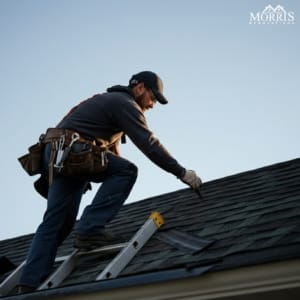
Budgeting for Your Roof Replacement Project
In this guide, we’ll delve into the factors that influence the cost of roof replacement. We’ll cover everything from the size and pitch of your roof to the materials you choose.
We’ll also discuss the labor costs involved and the additional expenses you might need to consider. This includes the cost of removing your old roof and the permits and inspections required.
For RV owners, we’ll provide a detailed breakdown of camper and pop-up camper roof replacement costs. We’ll also offer tips on choosing the right materials for your camper roof.
By the end of this guide, you’ll have a comprehensive understanding of roof replacement costs. This will help you budget effectively for your roof replacement project.
Whether you’re a homeowner planning to replace your house roof or an RV owner considering a camper roof replacement, this guide is for you.
Understanding Roof Replacement Costs
The cost of replacing a roof can vary widely. It depends on a range of factors, from the size and pitch of your roof to the materials you choose.
Labor costs also play a significant role. The complexity of the job and the expertise of the workers can greatly influence the final bill.
Here are some key factors that can affect the cost of your roof replacement:
- Size and pitch of the roof
- Type of roofing materials
- Labor costs
- Removal and disposal of old roofing
- Permits and inspections
- Hidden damages
Factors Influencing Roof Replacement Cost
Understanding the factors that influence the cost of roof replacement can help you budget effectively. Let’s delve deeper into each of these factors.
Size and Pitch of the Roof
The size of your roof is one of the most significant factors affecting the cost. Larger roofs require more materials and labor, increasing the overall cost.
The pitch or slope of your roof also plays a role. Steeper roofs are more challenging to work on and may require special safety equipment. This can add to the labor costs.
Roofing Materials: Pros and Cons
The type of roofing material you choose can greatly influence the cost. Asphalt shingles, for example, are a popular and cost-effective choice.
However, if you opt for higher-end materials like metal, slate, or tile, the cost can increase significantly. These materials are more durable and can offer better protection, but they come with a higher price tag.
It’s important to weigh the pros and cons of each material. Consider factors like durability, maintenance requirements, and aesthetic appeal alongside the cost.
Labor Costs and Workmanship
Labor costs can account for a significant portion of your roof replacement cost. This depends on the complexity of the job and the expertise of the workers.
Remember, cheaper isn’t always better when it comes to labor. Skilled workmanship can ensure your roof is installed correctly and lasts longer.
Additional Costs to Consider
Beyond the basic costs of materials and labor, there are additional expenses you might need to consider. These can include the cost of removing your old roof, permits and inspections, and potential hidden damages.
Removal and Disposal of Old Roofing
Before installing a new roof, the old one must be removed. This process can add to the overall cost, depending on the number of layers and the condition of the existing roof.
The cost of disposing of old roofing materials can also vary. It’s important to factor this into your budget.
Permits, Inspections, and Hidden Damages
Local municipalities often require permits and inspections for roof replacements. These can add to the cost.
Additionally, hidden damages such as water damage or rot may be uncovered during the replacement process. These issues can affect the final cost and should be planned for in your budget.
Special Considerations for Camper and Pop-Up Camper Roof Replacement
Replacing the roof of a camper or pop-up camper comes with its own set of considerations. The size and type of the camper, the materials used, and whether you choose to do it yourself or hire a professional all influence the cost.
RV and camper roofs often use different materials than residential roofs. These can include rubber (EPDM or TPO), fiberglass, or aluminum. The choice of material can significantly impact the cost.
DIY camper roof replacement can save on labor costs. However, it requires a certain level of skill and knowledge. It’s important to consider whether you have the necessary expertise before deciding to tackle the job yourself.
Here are some key factors to consider when budgeting for a camper or pop-up camper roof replacement:
- Size and type of the camper
- Choice of roofing materials
- DIY vs. professional installation
- Potential for additional features or upgrades
Camper Roof Replacement Cost Breakdown
The cost of a camper roof replacement can vary widely. It depends on the size and type of the camper, the materials used, and whether you choose to do it yourself or hire a professional.
For example, the cost of a pop-up camper roof replacement is typically lower than that of a full-size RV. This is due to differences in size and the materials used.
It’s important to get a detailed cost breakdown from your contractor or supplier. This will help you understand where your money is going and allow you to make informed decisions.
Choosing Materials for Your Camper Roof
The choice of materials for your camper roof can greatly influence the cost. Rubber (EPDM or TPO), fiberglass, and aluminum are common choices, each with their own pros and cons.
Rubber is a cost-effective and durable option, but it may require more maintenance. Fiberglass and aluminum are more expensive, but they offer excellent durability and require less maintenance.
Consider your budget, the climate where you’ll be using your camper, and your maintenance capabilities when choosing your roofing material.
Budgeting for Your Roof Replacement
Budgeting for a roof replacement involves more than just the cost of materials and labor. It’s important to consider all potential costs, including removal and disposal of the old roof, permits and inspections, and any hidden damages that may be uncovered during the process.
You should also factor in the cost of any upgrades or additional features you’re considering. This could include things like solar panels, skylights, or a new gutter system.
Here are some key factors to consider when budgeting for your roof replacement:
- Cost of materials and labor
- Removal and disposal of old roofing
- Permits and inspections
- Potential hidden damages
- Cost of upgrades or additional features
Estimating Your Total Roof Replacement Cost
Estimating the total cost of your roof replacement can be challenging. It’s important to get multiple quotes from reputable contractors to compare costs.
Remember, the cheapest quote may not always be the best option. It’s important to consider the quality of workmanship and the materials used, as well as the contractor’s reputation and experience.
A detailed contract outlining the scope of work, materials, and timelines can help avoid unexpected costs. Make sure you understand all the details before signing.
Financing and Saving Tips
Financing a roof replacement can be a significant financial undertaking. It’s important to consider your options carefully to avoid long-term financial strain.
Home equity loans, personal loans, or financing through the roofing company are all potential options. Some regions may also offer rebates or tax credits for using certain roofing materials.
Here are some tips for saving on your roof replacement:
- Get multiple quotes to compare costs
- Consider the long-term value and cost-effectiveness of different materials
- Check for available rebates or tax credits
- Negotiate with contractors for better pricing or upgraded materials
- Plan for unexpected costs to avoid surprises
Selecting the Right Contractor
Choosing the right contractor is crucial for a successful roof replacement project. The contractor’s experience, certifications, and reputation can significantly influence the cost and quality of the replacement.
It’s important to check contractor references and reviews to ensure quality workmanship. Some contractors may offer discounts for off-season work or for referrals, which can help you save on costs.
Remember, the cheapest quote may not always be the best option. It’s important to consider the quality of workmanship and the materials used, as well as the contractor’s reputation and experience.
Evaluating Contractor Credentials and Reviews
Before hiring a contractor, verify their credentials and insurance. This can help protect you from potential liabilities during the project.
Also, check the contractor’s reviews and references. This can give you an idea of their workmanship and reliability. Remember, a good contractor will be happy to provide references from previous clients.
Understanding Quotes and Contracts
When you receive a quote from a contractor, make sure you understand all the details. The quote should include a breakdown of costs for materials, labor, and any additional services.
The contract should clearly outline the scope of work, materials, and timelines. Make sure you understand all the terms and conditions before signing. If there are any parts of the contract you don’t understand, don’t hesitate to ask for clarification.
Preparing for the Roof Replacement Process
Once you’ve selected a contractor and agreed on the project details, it’s time to prepare for the roof replacement process. This involves understanding the project timeline, managing the project, and preparing for any unexpected issues that may arise.
- Understand the project timeline: Your contractor should provide a detailed timeline for the project. This includes the start date, expected completion date, and any important milestones in between.
- Manage the project: Stay involved in the project. Regularly communicate with your contractor to stay updated on the progress and address any concerns promptly.
- Prepare for unexpected issues: Roof replacement projects can sometimes uncover hidden issues like water damage or structural problems. It’s important to be prepared for these potential additional costs.
Timeline and Project Management
The timeline for a roof replacement project can vary depending on the size of the roof, the type of materials used, and the weather conditions. On average, a roof replacement can take anywhere from a few days to a couple of weeks.
Project management is key to ensuring the project stays on track. Regular communication with your contractor can help address any issues promptly and keep the project moving smoothly.
Handling Unexpected Issues
During the roof replacement process, unexpected issues may arise. These could include discovering water damage, rot, or structural issues that were not visible during the initial inspection.
When such issues arise, it’s important to address them promptly to prevent further damage. Discuss with your contractor how these unexpected issues will be handled and how they may affect the overall cost and timeline of the project.
Conclusion: Maximizing Your Investment
A roof replacement is a significant investment in your home or RV. It not only protects your property from the elements but also contributes to its overall value. By carefully planning and budgeting for your roof replacement project, you can ensure that you’re making a wise investment.
Remember, the cost of a roof replacement involves more than just the materials and labor. It also includes the cost of any permits or inspections, the removal and disposal of the old roof, and any unexpected issues that may arise during the project.
Maintaining Your New Roof
Once your new roof is installed, regular maintenance can help maximize its lifespan. This includes regular inspections, cleaning, and prompt repairs of any damage. By maintaining your new roof, you can help prevent the need for another replacement in the near future.
Remember, different roofing materials require different maintenance practices. Be sure to discuss the maintenance requirements of your chosen roofing material with your contractor.
Recap of Key Takeaways
In conclusion, here are the key takeaways from this guide:
- The cost of a roof replacement varies widely based on factors like the size and pitch of the roof, the type of roofing materials used, and the labor costs.
- Additional costs to consider include the removal and disposal of the old roof, permits and inspections, and any unexpected issues that may arise during the project.
- Special considerations apply for camper and pop-up camper roof replacements, including different material choices and cost breakdowns.
- Careful budgeting and planning can help ensure that your roof replacement project stays within your financial means.
- Choosing the right contractor is crucial for ensuring quality workmanship and a smooth project process.
- Regular maintenance can help maximize the lifespan of your new roof and protect your investment.
Stay Tuned Here
Facebook – https://www.facebook.com/MorrisRenovationsNJ
YouTube – https://www.youtube.com/channel/UCp2MQzbnwQ2HELpIaxyZHZg
Instagram – https://www.instagram.com/morrisrenovationsinc/
LinkedIn – https://www.linkedin.com/company/morris-renovations
Twitter – https://twitter.com/MR_Morristown
Pinterest – https://www.pinterest.com/morris_renovations/
Medium – https://medium.com/@morrisrenovationsinc
Morristown Location – https://g.page/morris-renovations-inc?gm
Randolph Location – https://g.page/r/Cc_q9x0Rt5MeEAE