Common Roofing Issues and Their Solutions

Common Roofing Issues and Their Solutions

Common Roofing Issues and Their Solutions

Common Roofing Issues and Their Solutions

Roofing issues are a common concern for homeowners. They can lead to serious problems if not addressed promptly.

From leaks to weather damage, various factors can compromise your roof’s integrity. Understanding these issues is the first step towards effective roofing repair.

This article will guide you through common roofing problems and their solutions. It will also help you identify when it’s time to call professional roofing contractors.

Whether you’re a DIY enthusiast or prefer to leave it to the experts, this guide will equip you with the knowledge you need to maintain a healthy roof.

Recognizing the Signs of Roof Damage

Identifying roof issues early can save money and prevent further damage. Look for visible signs of wear and distress.

Here are some common signs indicating roofing repair may be needed:

  • Missing or broken shingles
  • Water stains on ceilings or walls
  • Sagging roof sections
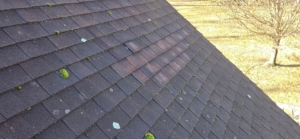
  • Mold or moss growth
  • Granules in gutters

Broken or missing shingles can compromise your roof’s ability to protect your home. They often result from weather events or aging materials.

Discoloration on interior ceilings often hints at leaks. These leaks can lead to structural damage and mold if ignored.

Take note of any sagging in the roof’s profile. This may indicate serious underlying problems, such as structural rot or water accumulation.

Moss or mold on your roof signifies trapped moisture. This can deteriorate roofing materials over time, necessitating professional intervention.

Top Roofing Problems and How to Address Them

Roofing problems are an inevitable part of homeownership. However, addressing these issues promptly can prevent extensive damage.

Leaks are among the most common and troubling issues. They often result from damaged shingles or flashing. Fixing leaks quickly helps avoid mold growth and structural damage.

Weather plays a significant role in roofing damage. From hail to high winds, nature can wreak havoc on roofs. Regular inspections help identify and mitigate weather-related damage.

Over time, all roofs experience wear and tear. Sun exposure and temperature changes cause roofing materials to degrade. Keeping an eye on aging materials extends your roof’s lifespan.

Gutters and downspouts, though often overlooked, are crucial. Clogged gutters can cause water to back up, leading to roof leaks. Regular cleaning ensures proper water flow and prevents related roof issues.

Ignoring small roofing issues often leads to bigger problems. Timely repairs not only save money but also maintain home value. Understanding common roofing problems empowers homeowners to act swiftly.

Leaks and Water Damage

Leaks are not just nuisances; they can cause major damage. It’s crucial to address them quickly.

Regular roof inspections and prompt repairs can stop leaks from causing severe water damage.

Weather-Related Damage

Severe weather impacts roofs significantly, leading to cracks and broken shingles.

Investing in durable materials and regular inspections can help mitigate weather-related issues effectively.

Wear and Tear Over Time

Over the years, exposure to sun and weather can wear out roofing materials. This natural degradation requires attention.

Consistent maintenance and timely repairs help extend the roof’s useful life and preserve its function.

Gutter and Downspout Issues

Clogged gutters can lead to excessive water accumulation on the roof, causing leaks.

Ensuring gutters are clear and functioning correctly is key to preventing water-related roof damage.

DIY Roof Repair: What You Can Safely Handle

Some roof repairs are manageable for those comfortable with DIY projects. Tackling minor issues yourself can save time and money.

Safety should always be your top priority. Use the right equipment and ensure your ladder is stable.

Before you begin, assess the damage. Small tasks that you can handle include:

  • Replacing a few damaged shingles
  • Fixing minor gutter issues
  • Sealing small leaks with roofing cement

However, never attempt repairs if you are unsure. Complex problems often require a professional’s touch. Knowing your limits is crucial to prevent further damage or injury.

When to Call Professional Roofing Contractors

While DIY repairs can be tempting, some issues are best left to the experts. Leaks, especially those with hidden sources, require professional attention.

Additionally, significant storm damage often needs an expert’s evaluation. Professionals have the experience to identify complex problems effectively.

Another critical time to call a contractor is for substantial structural damage. Attempting such repairs without expert skills can be dangerous and costly.

Lastly, hire a professional if you lack time or confidence. Experienced roofing contractors ensure high-quality work, giving you peace of mind and protecting your home investment.

The Roofing Repair Process: What to Expect

Understanding the roofing repair process can ease your concerns. It usually begins with a comprehensive inspection of the roof’s condition.

Once the inspection is complete, a detailed plan for the repair is developed. This plan addresses all identified issues, from leaks to shingle damage.

The repair work is then scheduled and executed efficiently. Professional roofing contractors use modern materials and techniques for lasting results.

Finally, a thorough cleanup ensures your property is safe and tidy. Post-repair inspections confirm that all problems are resolved, guaranteeing your roof’s longevity and performance.

Preventative Measures: Maintaining Your Roof’s Health

Regular maintenance can drastically extend your roof’s lifespan. Simple steps can prevent major issues from developing.

Scheduling routine inspections is vital. Catching small problems early keeps them from growing into costly repairs.

Key Preventative Measures:

  • Clear debris from gutters regularly.
  • Trim nearby trees to avoid falling branches.
  • Check for and repair minor shingle damage.

Ensure proper attic ventilation. This helps in reducing moisture buildup and prevents the formation of ice dams.

By sticking to these maintenance practices, you can ensure your roof remains in top condition. Prevention not only saves money but also provides peace of mind.

The Cost of Neglect: Why Timely Repairs are Crucial

Ignoring roof issues can lead to severe consequences. Small problems often escalate into large, expensive repairs.

Water damage is a common result of roof neglect. It can ruin structural elements and lead to mold growth.

The longer issues are ignored, the more intense and costly they become. A minor leak, left unchecked, can cause rot and weaken the roof.

Timely repairs not only save money but also preserve the home’s structural integrity. Addressing issues promptly safeguards your investment and ensures a safe environment. Prevention is always cheaper than extensive repair work.

Choosing the Right Roofing Contractor for Your Repair Needs

Selecting the right roofing contractor can seem daunting. A good contractor ensures quality work and peace of mind.

Start by researching potential contractors. Look for those with strong reputations and positive reviews.

Verify their credentials. Ensure they are licensed, insured, and experienced in the type of roof repair you need.

Here are some key considerations when choosing a roofing contractor:

  • Check for licensing and insurance.
  • Read reviews and ask for references.
  • Understand their warranty and guarantee policies.

Choosing wisely avoids problems later. It’s essential to communicate your expectations clearly. A professional contractor will offer transparency throughout the repair process.

Conclusion: Protecting Your Home with Proper Roof Care

Regular roof maintenance is vital. It helps prevent major problems and extends your roof’s life. Investing in timely repairs and inspections ensures your home stays safe and comfortable.

Proactively addressing issues saves money and stress. With proper care, your roof will safeguard your home for years to come.

Common Roof Issues Inspected by Professionals

Common Roof Issues Inspected by Professionals

Common Roof Issues Inspected by Professionals

Common Roof Issues Inspected by Professionals

Roofs are the unsung heroes of our homes and buildings. They shield us from the elements, providing a barrier against rain, wind, and sun.

Yet, they often go unnoticed until a problem arises. A leak, a draft, or a visible sag can signal trouble.

This is where a professional roof inspector comes in. These experts can identify potential issues before they become costly repairs.

Regular roof inspections are crucial for maintaining the integrity of a building. They can help extend the lifespan of your roof and protect your property’s value.

But what does a roof inspection involve? What common issues do inspectors look for? And how much does a roof inspection cost?

This article will answer these questions and more, providing valuable insights into the world of professional roof inspections.

The Importance of Regular Roof Inspections

Regular roof inspections are a vital part of home maintenance. They help spot small issues before they escalate into major problems. Inspectors can find hidden damage that might not be visible from the ground.

A proactive approach to roof inspections can save money. Addressing minor repairs early often costs less than fixing extensive damage later. Plus, routine checks help prolong the life of your roof.

The frequency of inspections depends on several factors. These include the age of your roof and the materials used. Weather conditions in your area also play a role.

Here are a few key reasons to schedule regular roof inspections:

  • Preserve the integrity of your roof
  • Protect your investment in your property
  • Ensure safety and reduce liability
  • Enhance your home’s energy efficiency

Having a professional inspect your roof offers peace of mind. Knowing that potential issues are under control can prevent unexpected and expensive repairs. By investing in regular inspections, homeowners safeguard their property and their financial future.

Identifying Common Roofing Materials and Their Lifespan

Different roofing materials offer varying lifespans. Understanding these can help you predict when an inspection is necessary. Asphalt shingles are popular due to cost and ease of installation. They typically last about 20 to 30 years.

Metal roofs offer durability. They often last between 40 to 70 years, making them a long-term investment. However, they require occasional inspections to check for rust or loose panels. Tile roofs, made of clay or concrete, boast a lifespan of 50 years or more. These materials endure tough weather conditions well. Yet, they can crack under heavy impacts.

Slate roofs are among the longest lasting, enduring over a century. Their durability makes them a premium choice but also necessitates expert installation and inspection. Each material’s lifespan depends on installation quality and maintenance. Regular inspections ensure your roofing materials serve you well over time. This proactive care promotes their longevity, saving you money in the long run.

How Weather Conditions Affect Your Roof

Weather plays a crucial role in roof longevity. Intense heat can cause materials like asphalt shingles to crack. This leads to leaks and structural issues if not addressed promptly.

Heavy rains and snow pose different challenges. They can lead to water pooling, increasing the risk of leaks. Moist conditions also promote moss and algae growth, which can damage shingles over time.

Wind is another weather factor that affects roofs. Strong winds can lift shingles, making your roof vulnerable. Regular inspections after severe weather ensure that any damage is caught early, safeguarding your home’s integrity.

The Average Cost of a Roof Inspection and Influencing Factors

Understanding the roof inspection cost helps homeowners budget effectively. On average, a professional roof inspection ranges from $120 to $400. Several factors can influence this price, making it vital to understand these aspects before scheduling an inspection.

The size of your property is a primary cost factor. Larger homes typically require more time, increasing the overall inspection fees. Likewise, the complexity of your roof’s design can affect the price. Multi-level roofs with various pitches are more challenging to inspect.

Location also plays a significant role in the cost variance. Roof inspection fees tend to be higher in urban areas compared to rural regions. Accessibility can further influence the price; hard-to-reach roofs may incur additional charges.

Additional services can raise the cost as well. For example, if the inspector uses drones or thermal imaging, expect to pay more. These technologies, however, can provide a more comprehensive assessment of your roof’s condition.

A breakdown of factors influencing roof inspection costs includes:

  • Property size
  • Roof design complexity
  • Geographic location
  • Accessibility challenges
  • Extra services such as drone or thermal imaging

By being informed about these factors, homeowners can make prudent decisions regarding their roof maintenance budgets.

Roof Inspection vs. Home Inspection: Understanding the Difference

A roof inspection focuses solely on the condition and integrity of the roof. It is a detailed assessment aimed at identifying roofing issues, materials, and workmanship quality.

In contrast, a home inspection reviews the entire property. It covers various aspects, such as electrical systems, plumbing, and structural elements, including the roof but not as extensively.

By knowing these differences, homeowners can choose the right service for their needs. Hiring a specialized roof inspector ensures a thorough evaluation, providing peace of mind about your roof’s health.

Key Areas of Focus During a Professional Roof Inspection

Roof inspections are vital for uncovering hidden issues. Professionals assess several critical areas to ensure the roof’s longevity. Here are the primary focus areas during a professional roof inspection:

  • Structural Integrity
  • Materials and Workmanship
  • Interior Signs of Damage
  • Drainage Systems and Water Damage
  • Insulation and Ventilation

Structural Integrity

Inspectors evaluate the roof’s framework carefully. They check for sagging or other structural issues. This helps prevent potential collapses from unnoticed weaknesses.

Materials and Workmanship

The quality of roofing materials is crucial. Inspectors assess for any signs of aging, wear, or poor installation. Good workmanship extends the roof’s lifespan and enhances its performance.

Interior Signs of Damage

Examining the interior is equally important. Inspectors look for water stains, mold, or mildew on ceilings. These are indicators of leaks or previous water intrusion needing attention.

Drainage Systems and Water Damage

Clogged gutters and downspouts can lead to water accumulation. An inspector ensures proper drainage, preventing water damage and extending roof life. They also check for any water marks or rot.

Insulation and Ventilation

Proper attic insulation reduces energy costs. Ventilation prevents heat and moisture buildup. Inspectors ensure there are no blockages affecting ventilation or insulation efficiency, maintaining a comfortable indoor climate.

The Consequences of Neglecting Roof Maintenance

Neglecting roof maintenance can lead to severe damage over time. Small issues, if unchecked, can grow into costly repairs. Regular inspections help catch and address these concerns early.

A damaged roof can compromise your home’s structural integrity. Water seepage may cause mold growth and rotting wood. This not only affects your roof but can also damage walls and ceilings inside your home.

Ignoring roof maintenance also decreases property value. A well-maintained roof is a key selling point for buyers. Keeping up with repairs and inspections protects your investment and enhances curb appeal.

How to Find a Reputable Roof Inspector Near You

Finding a trustworthy roof inspector can feel overwhelming. Start by asking for recommendations from friends and family. Their experiences can guide you toward reliable professionals.

Online reviews are another valuable resource. Check testimonials on reputable websites. Look for roof inspectors with consistent positive feedback. This will help you identify quality service providers in your area.

Finally, verify the inspector’s credentials and insurance coverage. Look for certifications from recognized industry associations. Don’t hesitate to ask potential inspectors for references and proof of their expertise. Selecting an experienced professional ensures a thorough inspection.

Preparing for a Roof Inspection: Tips for Homeowners

Before a roof inspection, clear debris and items from around your house. This makes it safer for inspectors to work. Also, it allows them to spot potential issues easily.

Ensure attic access is unobstructed. The inspector will likely need to enter the attic space. This will be crucial to check for signs of water damage or poor ventilation.

Lastly, prepare questions or concerns you have about your roof. This will help focus the inspection. Being informed and proactive enhances the effectiveness of the inspection process.

Understanding Your Roof Inspection Report

After a roof inspection, you will receive a detailed report. This document outlines any issues found and their severity. It helps you prioritize necessary repairs.

The report should also include photos and descriptions of problems. Visual evidence makes understanding the issues easier. It ensures transparency between you and the roof inspector.

Most importantly, the report will offer repair or maintenance recommendations. Use these insights to plan your next steps. Addressing these issues promptly can prevent future, costly repairs.

The Role of Technology in Modern Roof Inspections

Technology plays a crucial role in modern roof inspections. Drones, for instance, offer aerial views that uncover hidden damages. This method enhances safety and efficiency.

Thermal imaging is another technological advancement. It detects moisture and heat loss invisible to the naked eye. These insights are essential for spotting early warning signs.

Digital reporting tools streamline documentation. They provide clear, organized data for homeowners. This improves communication and aids in making informed decisions about roof maintenance and repair.

Conclusion: The Value of Professional Roof Inspections

Regular roof inspections by skilled professionals are invaluable. They help prevent costly damages and preserve property value. Timely inspections extend the life of your roof.

Engaging a seasoned roof inspector ensures issues are detected early. This proactive approach reduces repair costs in the long run. It also safeguards against unexpected leaks and structural problems.

Hiring a local roof inspector fosters trust and reliability. These experts understand local conditions and regulations. Their insights and recommendations bring peace of mind and enhance your property’s longevity and safety.

How to Choose a Roof Inspector

How to Choose a Roof Inspector

How to Choose a Roof Inspector

How to Choose a Roof Inspector

Your roof is a crucial part of your home. It protects you from the elements and contributes to your home’s overall value.

But how often do you really think about it?

Most homeowners don’t pay much attention to their roofs until there’s a problem. By then, minor issues may have escalated into major ones.

This is where a roof inspector comes in. A qualified roof inspector can identify potential issues before they become costly repairs.

In this guide, we’ll walk you through how to choose a reliable roof inspector. We’ll cover everything from understanding their role to verifying their credentials and more. So, let’s get started.

Understanding the Role of a Roof Inspector

A roof inspector plays a vital role in maintaining your property’s health. Their primary duty is to assess the condition of your roof. They look for visible damage, wear, and structural concerns.

Inspectors are trained to spot issues that are not always visible to the untrained eye. Even minor damage could evolve into significant problems over time.

A roof inspector helps you avoid unforeseen expenses by identifying issues early. This preventative approach can extend the life of your roof significantly.

Here are the main tasks a roof inspector performs:

  • Visual Inspection: Checking for damaged or missing shingles.
  • Leak Detection: Spotting signs of water intrusion.
  • Structural Assessment: Evaluating the condition of support structures.
  • Material Condition: Assessing the aging of roofing materials.

By understanding this role, you are better equipped to choose a reliable roof inspector. Their work gives peace of mind and can safeguard your investment for years to come.

The Importance of Regular Roof Inspections

Regular roof inspections are crucial for the longevity and safety of your home. Over time, all roofs experience wear and tear. Weather, wildlife, and time itself can cause damage.

By catching small issues early, you can prevent costly repairs. A tiny leak today could lead to a major structural problem tomorrow. Regular checks help you stay ahead of these issues.

Scheduled inspections also keep your roof in optimal condition. They ensure your home remains energy-efficient and comfortable. Professional assessments offer an opportunity to reinforce your roof before damage exacerbates. These proactive steps can ultimately save you money and stress.

Qualifications of a Professional Roof Inspector

Selecting a roof inspector involves more than just a quick online search. You need someone with the right skills and knowledge. This ensures a thorough and accurate assessment of your roof.

An inspector should have specific qualifications. Experience and education matter a great deal. Look for inspectors who continue to update their skills over time.

Here are key qualifications to consider:

  • Certifications from recognized organizations.
  • Comprehensive training in roof inspection techniques.
  • A track record of reliable service in the industry.

These qualifications help you trust that your inspector will identify potential issues. They also assure you that the inspector understands current building codes. Avoid inspectors lacking these essential credentials.

Certifications and Training

Certifications are a key indicator of professionalism. A certified roof inspector has proven their expertise. Organizations like NRCA or InterNACHI provide reputable certification programs.

Training is equally important. Inspectors should undergo rigorous programs. This training equips them with critical inspection skills and technical knowledge.

Insurance and Bonding

Insurance and bonding offer you protection. An insured inspector provides peace of mind. It covers potential damages that might occur during an inspection.

Bonding is another safety net. It protects you if the inspector fails to complete the job correctly. Always verify these aspects before hiring a roof inspector near you.

How to Verify a Roof Inspector’s Credentials

When hiring a roof inspector, verifying their credentials is crucial. This step ensures that you choose a qualified and trustworthy professional. It’s important to know that the inspector has the necessary expertise.

Begin by checking their certifications. These should come from reputable industry bodies. Certified inspectors have met stringent standards and demonstrated their competence. This provides assurance of their capability.

Next, ask for references and reviews. Speaking with previous clients can provide insight into the inspector’s professionalism and quality of work. Online reviews can also reveal patterns in customer satisfaction.

Use the following checklist to verify credentials:

  • Confirm valid certifications with governing bodies.
  • Request references or client testimonials.
  • Check for consistent positive feedback in online reviews.

By following these steps, you can ensure your roof inspection is in capable hands. It’s a small effort for great peace of mind. Always verify before you hire to prevent future regrets.

The Difference Between Roof Inspectors and Roofing Contractors

Roof inspectors and roofing contractors serve distinct roles. Understanding these differences can help you choose the right professional for your needs.

A roof inspector is focused on assessment. They inspect the condition of your roof, identifying issues and potential future problems. Their primary goal is to provide a comprehensive evaluation and report.

In contrast, roofing contractors are involved in repair and replacement. They address the issues identified by inspectors. Contractors are skilled in executing repair work and installing new roofs as needed.

While both roles are essential, each plays a separate part in roof care. Inspectors evaluate, while contractors act on those evaluations. Knowing who to call and when is crucial for proper roof maintenance. Always ensure you engage the right professional for your specific needs, whether it’s an inspection or repair.

Choosing a Local Roof Inspector

Selecting a local roof inspector offers several benefits. They are familiar with regional weather conditions. This knowledge helps them identify issues specific to your area, such as damage from storms or high humidity.

Local inspectors are also well-versed in state and city building codes. This expertise ensures your inspection aligns with local regulations. Compliance is crucial, especially if you plan to sell your property or make major renovations.

Additionally, choosing someone nearby fosters better communication. A local inspector can often provide a more flexible schedule. This accessibility can be invaluable in emergencies or after severe weather events.

Why Local Experience Matters

Having a roof inspector with local experience is critical. They understand the common roofing materials used in your area. This insight helps them spot material-specific problems more efficiently.

Moreover, a local inspector has a network of local resources. They can quickly recommend reliable contractors if repairs are necessary. Local experience ensures more comprehensive and tailored service for your roofing needs.

What to Expect from a Roof Inspection

A professional roof inspection offers a comprehensive evaluation. The inspection typically begins with a visual assessment. The inspector checks for obvious damage like missing shingles or water stains.

Beyond the surface, the inspector will delve deeper. They’ll assess the attic’s ventilation and insulation. These elements are crucial for maintaining the roof’s longevity.

Expect the inspection to include detailed findings. A standard roof inspection might cover the following:

  • Exterior roof condition
  • Flashing integrity
  • Gutter health
  • Signs of leaks or water damage

Scope of Inspection

The scope of the inspection is broad yet detailed. Inspectors look beyond shingles and tiles. They examine elements like flashing, gutters, and chimneys.

Additionally, a thorough roof inspection evaluates all structural components. Structural integrity is crucial for the roof’s overall performance. The goal is to identify potential issues before they escalate into costly repairs.

Reading and Understanding the Roof Inspection Report

Understanding the inspection report is essential. The report should be clear and detailed. It explains all findings and lists any areas needing repair.

Look for photos or diagrams in the report. These visuals help illustrate issues more clearly. They ensure you understand the inspector’s assessments, aiding in decision-making for any needed repairs.

Questions to Ask Before Hiring a Roof Inspector

Selecting the right roof inspector requires asking the right questions. Being prepared can lead to informed hiring decisions. Begin by understanding the inspector’s experience and background.

Inquire about their qualifications and whether they hold relevant certifications. Experience is another crucial factor that directly impacts inspection quality. Don’t hesitate to ask about the tools and methods they employ for inspections.

Consider these questions to ensure a good hire:

  • What certifications do you have?
  • How many years have you been inspecting roofs?
  • Do you use any advanced technology like drones or infrared?
  • Can you provide references from past clients?
  • Are you insured and bonded?

These questions aim to uncover the inspector’s proficiency and reliability. It’s essential they adhere to industry standards and provide comprehensive services. Detailed inquiries can lead to peace of mind during the inspection process.

The Cost of Roof Inspection and Factors That Influence It

Understanding the cost of a roof inspection can help you budget more effectively. A roof inspection’s price varies depending on several key factors. Knowing what influences costs helps set realistic expectations.

A standard roof inspection typically ranges between $100 to $600. Factors like roof size, slope, and material can impact the overall cost. Additional services, such as using technology like drones, may increase the price.

Here are factors that influence roof inspection costs:

  • The size and complexity of the roof
  • Roof pitch or steepness
  • Type of roofing material used
  • Geographic location and market rates
  • Use of specialized technology or equipment

Always get quotes from several inspectors to ensure competitive pricing. Comparing services and costs allows for smarter financial decisions. An investment in a thorough inspection can prevent expensive future repairs.

Finding a Reputable Roof Inspector

Selecting a reputable roof inspector involves diligent research. This step ensures your property gets the care it deserves. A reputable inspector can spot potential issues early, saving you time and money.

Utilizing multiple resources can help find reliable inspectors. It’s beneficial to consider references, online platforms, and reputable organizations. This multi-source approach provides a balanced perspective.

Consider these methods when searching for a roof inspector:

  • Seek recommendations from friends or family
  • Check online reviews for customer experiences
  • Verify credentials and past experience
  • Contact industry-specific professional organizations
  • Request a written estimate before services

Taking these steps helps ensure you hire a qualified professional. It fosters peace of mind, knowing your roof is inspected by a trustworthy expert. Remember, the right inspector can make all the difference in maintaining your property’s integrity.

Referrals and Online Reviews

Referrals are invaluable when searching for a roof inspector. A recommendation from a trusted source carries weight. Friends, family, or neighbors who recently had a roof inspection can provide insights.

Online reviews offer another perspective. Platforms like Google or Yelp compile experiences from numerous clients. Inspectors with consistently good reviews are often reliable choices.

Thorough research into online feedback can shed light on consistent service patterns. It’s crucial to read both positive and negative comments for a balanced view. This will help inform your decision on whom to hire.

Professional Organizations

Professional organizations serve as valuable resources. They connect you with certified roof inspectors. These groups often have strict membership requirements, ensuring only qualified professionals join.

Organizations like the National Roof Certification and Inspection Association (NRCIA) can be a good starting point. Their membership lists provide trusted leads. Members usually adhere to high standards of practice.

These organizations often offer resources for potential clients. They can guide you in understanding the inspection process and what to expect. Utilizing these groups can streamline your search for a reputable roof inspector.

Conclusion: Making an Informed Decision

Choosing the right roof inspector requires careful consideration. Understanding the inspector’s role and checking their credentials is key. A well-researched decision helps protect your property and investment.

Prioritize finding an inspector with the right qualifications and experience. Ask detailed questions and verify their expertise. This approach ensures you’re making a wise choice in maintaining your roof’s integrity. An informed decision adds value and safety to your home, giving you peace of mind. Remember, the right roof inspector is a partner in your property’s long-term health.

The Importance of Regular Roof Inspections

The Importance of Regular Roof Inspections

The Importance of Regular Roof Inspections

The Importance of Regular Roof Inspections

Roof inspections are a crucial part of home maintenance. Yet, they are often overlooked by homeowners and property managers.

A professional roof inspector can identify potential issues that may not be visible to the untrained eye. This can prevent minor problems from escalating into major, costly repairs.

Regular inspections can also extend the lifespan of your roof. They ensure timely maintenance and repairs, keeping your roof in optimal condition.

But how often should you schedule a roof inspection? And what does a roof inspection involve?

This article will answer these questions and more. It will delve into the importance of regular roof inspections, the role of a roof inspector, and the potential costs involved.

By the end, you’ll understand why a simple search for a “roof inspector near me” could save you a lot of trouble and money in the long run.

Why Regular Roof Inspections are Essential

Regular roof inspections play a vital role in maintaining your home’s safety and value. Inspectors can find issues before they become emergencies.

Without inspections, small roof problems can worsen. Leaks, for example, can lead to significant water damage inside your home.

Inspectors are trained to detect unseen hazards. They can spot signs of wear, poor insulation, and improper ventilation.

A thorough roof inspection ensures structural integrity. This can prevent accidents, like roof collapses during heavy snowfall.

Regular inspections can also save you money. By addressing problems early, you avoid expensive and disruptive repairs.

Here are key benefits of regular roof inspections:

  • Prevention of Major Damage: Early detection and repair of leaks and damage.
  • Extended Roof Lifespan: Proper maintenance means a longer-lasting roof.
  • Safety Assurance: Identifies potential safety risks, such as weak spots.
  • Property Value Maintenance: A well-kept roof enhances curb appeal and value.
  • Cost Efficiency: Avoids surprise expenses from emergency repairs.

Investing time in regular inspections can keep your roof in top condition. This effort pays off in enhanced safety, durability, and property worth.

What Does a Roof Inspector Do?

A roof inspector provides a detailed assessment of your roof’s condition. This involves checking for visible and hidden issues.

First, they survey the roof’s surface. They look for any noticeable damages such as cracks, missing shingles, or debris.

Next, they examine critical areas. These include the flashing, gutters, and downspouts, ensuring there is no obstruction or rust.

Inspectors also check the attic for signs of leaks or water damage. This is crucial as attic issues can indicate roof problems.

Additionally, a roof inspector evaluates overall roof ventilation and insulation. Proper airflow and insulation are essential for energy efficiency.

Using their expertise, they prepare a comprehensive report. This document outlines any necessary repairs and maintenance actions. This allows homeowners to make informed decisions about their roofing needs. Regular inspections keep the roof functional and extend its lifespan, securing your investment.

The Benefits of Hiring a Professional Roof Inspector

Hiring a professional roof inspector offers numerous advantages. These experts possess the skills needed to spot issues that others might miss.

One major benefit is their ability to prevent small problems from escalating. Addressing minor issues early can save you from major expenses in the future.

Professional inspectors use advanced tools and techniques, such as drones, for a thorough examination. This ensures even the most inaccessible areas are inspected.

They also provide a detailed report. This not only highlights the current condition of your roof but also suggests necessary repairs and maintenance.

Here’s a list of key benefits:

  • Identifying hidden damage early
  • Extending roof lifespan
  • Providing accurate assessments
  • Offering expert maintenance advice

Lastly, professionals offer peace of mind. Knowing your roof is in capable hands helps maintain your property’s value and ensures its safety. Regular check-ups are essential for long-term savings and stability.

How Often Should You Schedule a Roof Inspection?

Regular roof inspections are crucial for maintenance. Experts recommend scheduling inspections at least once a year.

In certain situations, more frequent inspections are necessary. These include after severe storms or extreme weather events.

Consider these factors when planning inspections:

  • Age of the roof
  • Recent weather conditions
  • Visible wear or damage
  • Presence of overhanging trees

By adhering to a regular inspection schedule, you can catch issues early. This practice minimizes the risk of costly damage and prolongs the lifespan of your roof. Regular check-ups ensure your roof remains in optimal condition, providing safety for your home or business.

Finding a Qualified Roof Inspector Near Me

Choosing a qualified roof inspector is vital. Start by searching for “roof inspector near me” online. This provides a list of local professionals familiar with your area’s climate.

Ask for recommendations from friends and family. Local referrals often lead to reliable inspectors with proven track records.

Verify the credentials of potential inspectors. Ensure they have the necessary certifications and good reviews. This step guarantees your roof inspection will be thorough and professional. Checking their background ensures you hire a competent expert who can identify any issues promptly, maintaining the integrity of your property.

Understanding Roof Inspection Costs

The cost of a roof inspection can vary. Factors such as roof size, complexity, and location play major roles in determining the final price. Understanding these can help you budget effectively.

On average, a roof inspection may cost between $150 to $400. This price range reflects the time and expertise required by the inspector. However, costs can increase for larger or more complex roofing systems.

Before hiring, ask the inspector for an estimate. Consider the following factors that may influence the cost:

  • Size of the roof
  • Type of roof materials
  • Location of the property

Being informed about these elements ensures no surprises when you receive the bill. A detailed inspection can provide invaluable insights, making the cost a wise investment in your property’s future.

Preparing for a Roof Inspection: What Homeowners Need to Know

Preparing for a roof inspection is straightforward but important. Start by clearing any debris from the roof and gutters. This makes it easier for the inspector to access and assess your roof thoroughly.

It’s also wise to list any known issues or concerns you have about your roof. Documenting previous repairs or problem areas helps the inspector focus on potential trouble spots. This proactive approach can lead to more accurate and beneficial findings.

Make sure you’re available to discuss the inspection’s findings. Being present allows you to ask questions and gain insights. Use this opportunity to learn about your roof’s condition and necessary maintenance. This preparation helps ensure a successful and informative inspection.

Conclusion: The Long-Term Value of Regular Roof Inspections

Regular roof inspections offer peace of mind by ensuring the roof is in good shape. They help prevent unexpected costs by catching issues early before they become expensive repairs.

By investing in regular inspections, you safeguard your property’s value and ensure safety. This proactive approach can save money and headaches in the long run. Trust in the expertise of a roof inspector to maintain your home’s integrity.

How to Prepare for a Roof Inspection

How to Prepare for a Roof Inspection

How to Prepare for a Roof Inspection

How to Prepare for a Roof Inspection

A roof inspection is a crucial part of home maintenance. It helps ensure the longevity of your roof and the safety of your home.

But how do you prepare for a roof inspection?

This guide will walk you through the process. It will provide practical advice to help you get ready for a thorough and effective inspection.

From choosing the right inspector to understanding the report, we’ve got you covered.

So, whether you’re a homeowner, property manager, or real estate professional, read on. This guide will help you navigate the roof inspection process with ease.

Understanding the Importance of Roof Inspections

Roof inspections are vital for maintaining your home’s integrity. They help spot potential problems before they become costly repairs. Regular inspections can extend the life of your roof and save you money in the long run.

Inspections can uncover hidden damages not visible to the untrained eye. These might include small leaks, damaged shingles, or poor ventilation. Detecting these issues early can prevent more significant problems later on.

Knowing the state of your roof is essential for energy efficiency. A well-maintained roof can reduce heating and cooling costs. It’s a win-win situation for both your wallet and the environment.

Here’s why regular roof inspections are crucial:

  • Identify potential roof damage early.
  • Extend the lifespan of the roof.
  • Improve energy efficiency.
  • Reduce the need for costly emergency repairs.
  • Enhance property value.

Understanding these benefits highlights the importance of scheduling regular roof inspections. They are a key component in proactive home maintenance.

When to Schedule a Roof Inspection

Timing is crucial when it comes to roof inspections. Most experts recommend getting an inspection at least once a year. However, certain circumstances might call for more frequent checks.

Consider scheduling an inspection after major storms or severe weather events. Strong winds, hail, or heavy snowfall can cause significant damage. It’s best to have any issues addressed promptly to avoid further complications.

Here are some ideal times for scheduling a roof inspection:

  • Annually for routine maintenance.
  • After significant weather events.
  • When purchasing or selling a property.
  • Before and after major roof work or renovations.

While yearly inspections are a good rule of thumb, your specific needs may vary. Staying proactive and attentive to your roof’s condition can prevent costly repairs down the road. This approach ensures your roof is always in top condition, ready to protect your home from the elements.

Choosing the Right Roof Inspector

Selecting the right roof inspector is vital for ensuring a comprehensive assessment. A qualified inspector can identify potential issues that might go unnoticed. It’s important to verify their credentials and experience before hiring.

Start by researching local inspectors and checking their certifications. Look for professionals with a track record of excellent service and positive reviews. This can indicate reliability and expertise in roofing inspections.

Another key factor is communication. The inspector should be willing to discuss their findings and explain any potential problems in detail. A good inspector will also answer your questions and provide practical solutions for any issues uncovered during the inspection. This transparency helps you make informed decisions about your roof’s maintenance and repair needs.

Pre-Inspection Checklist: Exterior Preparation

Preparing the exterior of your home for a roof inspection ensures the process is smooth and efficient. Simple steps can make a significant difference in the inspection’s success. Start by clearing the area around your home.

Trim trees and shrubs near the house to provide clear access. This not only helps the inspector but also reduces the risk of branch damage. Remove any outdoor furniture or obstacles that could block the inspector’s access to the roof.

Before the inspection, check the gutters for any debris or blockages. Clean gutters contribute to roof longevity and give the inspector full visibility of potential drainage issues. A well-maintained gutter system is crucial for directing water away from the roof.

Inspect the roof surface for loose debris such as leaves or branches. Clear the roof for the inspector to ensure safety and thoroughness. Here’s a quick checklist for exterior preparation:

  • Trim overhanging tree branches
  • Remove furniture and obstacles
  • Clean gutters thoroughly
  • Clear debris from the roof surface
  • Check for visible damage

Finally, inform neighbors about the inspection, especially if you share any roof boundaries. This can prevent misunderstandings and ensure a smooth inspection process. Proper exterior preparation is vital for a successful roof inspection.

Pre-Inspection Checklist: Interior Preparation

Preparing your home’s interior for a roof inspection is just as crucial as exterior steps. This helps the inspector check all potential areas of concern effectively. Start by ensuring access to the attic or any crawl spaces.

Clearing clutter from your attic is essential for a thorough inspection. This allows the inspector to evaluate the condition of the underside of the roof and check for signs of leaks. It’s also helpful to clear any paths or doorways leading to these spaces.

Next, check for signs of water damage or stains on your ceilings and walls. These could indicate potential issues with your roof’s integrity. Pointing out these areas to the inspector can provide valuable information.

Here’s a handy interior checklist to consider:

  • Provide access to the attic or crawl spaces
  • Clear attic clutter
  • Ensure clear paths to inspection areas
  • Check ceilings and walls for water stains
  • Note any unusual odors or signs of mold

Finally, communicate any known issues or concerns with the roof inspector before they begin. This collaboration can lead to a more thorough inspection. Proper interior preparation can reveal hidden concerns early on.

Safety Measures During the Inspection

Safety is paramount when conducting a roof inspection. Ensure the environment is safe for both the inspector and your household. This begins with keeping pets and children indoors, away from potential hazards.

Notify family members of the inspection schedule. This awareness helps everyone stay mindful of the activity happening around the home. It’s also wise to remove vehicles from the driveway, providing clear access for inspection equipment.

During the inspection, be attentive to any safety instructions given by the inspector. Follow guidelines on where not to stand or walk under the roof area. Prioritizing safety not only protects your home but also ensures a seamless inspection process.

What to Expect During the Roof Inspection

A roof inspection is a thorough examination of your roofing system. The inspector will check various components to assess the roof’s condition. You can expect this process to take about one to two hours, depending on the size and complexity of the roof.

During the inspection, the professional will look for signs of damage or wear. They will examine shingles, gutters, and any roof fixtures. The inspector assesses the state of roof penetrations like chimneys and vents. These elements are critical for understanding your roof’s health.

Inspectors use various tools and techniques during their assessment. They might employ cameras or even drones for hard-to-reach areas. Here’s what typically occurs:

  • Checking for missing or damaged shingles
  • Inspecting flashing and seals around fixtures
  • Assessing gutters and drainage
  • Evaluating attic ventilation and insulation
  • Looking for mold or water damage

After the inspection, the inspector compiles their findings into a detailed report. This report will highlight any issues they discovered and suggest necessary repairs or maintenance steps. Understanding the results is crucial for addressing any concerns and planning future roof care.

Post-Inspection: Understanding Your Report

Once the roof inspection is complete, you’ll receive a detailed report. This document serves as a comprehensive overview of your roof’s current condition. It’s essential to thoroughly review it to understand potential issues and recommended actions.

The report will outline any findings, highlighting areas needing immediate attention or further investigation. Damage indicators, like missing shingles, leaks, or improper ventilation, will be documented. Each finding should include a clear explanation and photographs, offering insight into the issues at hand.

Understanding the language of the report is crucial. If technical terms are unclear, don’t hesitate to ask the inspector for clarification. This ensures you fully grasp the repair recommendations. Armed with this knowledge, you can prioritize necessary repairs or maintenance to extend your roof’s lifespan and avoid costly future problems. Additionally, keeping these reports on file aids future evaluations and improves property value.

Addressing Issues and Planning Repairs

Identifying roof issues is only the first step; addressing them promptly is crucial. Immediate attention to problems can prevent escalation and save money in the long run. Delaying repairs could lead to more extensive damage, affecting your home’s structure.

Begin by prioritizing the most urgent issues outlined in your inspection report. Whether it’s leaks, mold, or missing shingles, tackling these first can prevent further damage. Consult with a professional roofer to obtain quotes for necessary repairs and maintenance.

Budgeting for these repairs is essential. Understanding costs upfront helps in planning and avoiding financial strain. Remember, timely and efficient repairs not only extend your roof’s life but also enhance your home’s energy efficiency and overall value. Monitoring the repair process ensures quality work and adherence to timelines, providing peace of mind that your roof will perform well for years to come.

Maintaining Your Roof After the Inspection

After the inspection, proper roof maintenance is key to extending its lifespan. Regular upkeep ensures your roof remains in excellent condition, preventing future issues. Schedule routine checks and cleanups to keep your roof free of debris and potential hazards.

Create a maintenance checklist to assist in ongoing care:

  • Inspect and clean gutters regularly
  • Check for new signs of damage or wear
  • Trim overhanging branches near the roof
  • Ensure adequate attic ventilation

Consistent roof maintenance saves money and time in the long run. By staying proactive, you minimize the chances of costly repairs or replacements down the road, ensuring your home remains protected from the elements.

Conclusion: Ensuring a Long-Lasting Roof

Preparation and regular maintenance are the cornerstones of a durable roof. By conducting timely inspections and addressing any issues swiftly, you preserve not just the roof, but the entire home. Proper care enhances your roof’s performance and longevity, saving money over time.

Remember to keep open communication with your roof inspector for tailored advice. Establishing a relationship with a professional can guide you in proactive measures. By investing in consistent care, you ensure your roof reliably protects your home for many years.

DIY Roof Inspection: Tips and Tricks

DIY Roof Inspection: Tips and Tricks

DIY Roof Inspection: Tips and Tricks

DIY Roof Inspection: Tips and Tricks

Roof inspections are a crucial part of home maintenance. They help ensure the longevity of your roof and the safety of your home.

However, hiring a professional for a roof inspection can be costly. This is where DIY roof inspections come into play.

Conducting your own roof inspection can save you money. It also allows you to understand the condition of your roof better.

In this guide, we will provide you with practical tips and tricks for a DIY roof inspection. We’ll cover everything from safety precautions to identifying potential issues.

Remember, regular roof maintenance can prevent costly repairs in the future. It’s an investment in the longevity of your home.

So, let’s dive into the world of DIY roof inspections and learn how to keep your roof in top shape.

Understanding the Importance of Roof Inspections

Regular roof inspections are essential for maintaining a safe and durable home. They help identify potential issues before they become major problems.

A well-maintained roof not only protects your home but also increases property value. It can even lower insurance premiums by reducing risks of damage.

It’s recommended to inspect your roof at least twice a year. Doing so can catch signs of wear and tear early, preventing costly repairs.

Consider these key benefits of regular roof inspections:

  • Extend the lifespan of your roof.
  • Prevent water damage and leaks.
  • Maintain energy efficiency and insulation.
  • Protect structural integrity of your home.

Ignoring roof maintenance can lead to severe consequences. Delayed repairs may result in more extensive damage, increasing expenses and stress.

Proactive roof inspections provide peace of mind. They ensure that your home remains a safe and comfortable environment for your family.

When to Conduct a DIY Roof Inspection

Knowing when to inspect your roof can save you from unexpected repairs. Ideally, roof inspections should occur at least twice yearly. Consider aligning them with seasonal changes, like in spring and fall.

Inspect your roof after severe weather events, such as storms or heavy snowfall. Harsh weather can cause damage that worsens over time if left unchecked. Addressing issues early is crucial in preventing further deterioration.

Here are key times to conduct a DIY roof inspection:

  • Transition between seasons, especially after winter and summer.
  • After severe weather conditions, like hailstorms or high winds.
  • When there are signs of roof aging, like worn shingles or water stains.

Trust your instincts—if something seems off, check it promptly. Scheduling regular roof assessments helps you stay ahead of potential problems. Staying vigilant will preserve both your roof and peace of mind.

Safety First: Preparing for Your Roof Inspection

Safety is paramount when preparing for a DIY roof inspection. Before you begin, make sure you have a stable ladder and check it thoroughly for defects. An unstable ladder is a major hazard, and ensuring it is firm and secure can prevent accidents.

Dress appropriately to ensure maximum safety. Wear shoes with good grip to avoid slipping and gloves to protect your hands. The right gear can make a difference in maintaining your safety while on the roof.

Here are some essential safety precautions to follow:

  • Inspect your ladder for damage before each use.
  • Wear non-slip shoes and protective gloves.
  • Avoid inspecting your roof in wet, windy, or icy conditions.

Choose a day with clear weather to perform your inspection. Slippery surfaces are dangerous and can lead to falls or other accidents. Take your time and exercise caution as you navigate your roof. Prioritizing safety ensures you can inspect your roof without unnecessary risks.

Essential Tools for a DIY Roof Inspection

To conduct a DIY roof inspection efficiently, having the right tools at hand is crucial. The right equipment not only aids in a thorough inspection but also enhances safety. Gather these before climbing onto your roof to ensure you’re well-prepared.

Consider creating a checklist of essential tools. This can help you avoid multiple trips up and down your ladder. Here’s what you should have ready:

  • Stable, high-quality ladder
  • Durable work gloves
  • Flashlight for dark areas
  • Binoculars for inspecting distant sections
  • Roof shoes with good traction

A flashlight comes in handy for checking dark areas, like attics. Binoculars allow you to examine distant parts of the roof from the ground. Always prioritize safety and efficiency when selecting your tools for roof inspection. With the right tools, you can perform a more effective and detailed roof inspection.

Step-by-Step Guide to Inspecting Your Roof

Embarking on a roof inspection can be daunting, but breaking it into steps makes it manageable. Start with a systematic approach to cover all essential areas of your roof. Use a checklist to ensure nothing is overlooked.

Inspecting the Shingles

Begin your inspection with the shingles. Look for visible signs of damage such as cracks, curling, or missing shingles. Damaged shingles need immediate attention to prevent further deterioration.

Take note if you find granules missing from the shingles, as this is a sign of aging. Shingles are your roof’s first defense against the elements, so ensuring they are in good shape is essential.

Checking Flashing and Sealing

Next, inspect the flashing and seals. These are common areas where leaks can develop. Look for gaps, rust, or cracks that might compromise the roof’s waterproofing.

Ensure all seals around roof fixtures like chimneys and skylights are intact. Proper sealing prevents water from seeping into your home, protecting the interior from damage.

Gutters and Downspouts

Move on to the gutters and downspouts. These should be free from obstructions like leaves or twigs. Blocked gutters can lead to water overflow, affecting the roof and walls.

Check for any signs of sagging or damage. Well-maintained gutters ensure efficient water drainage, preventing potential roof damage during heavy rain.

Attic and Ventilation Check

Finish with an attic and ventilation check. Proper ventilation is key to a healthy roofing system. Look for signs of moisture or mold, which indicate poor ventilation or leaks.

Ensure there is no blocked airflow and assess for any daylight peeking through, as this could signal a hole in the roof. A well-ventilated attic helps extend the lifespan of your roof by minimizing heat and moisture buildup.

Identifying Common Roof Problems

Recognizing common roof problems early can save you from costly repairs later. Each type of damage has different indicators. Understanding these signs will help you assess the roof’s condition effectively.

Here are some typical roof issues to watch for:

  • Leaks and Water Stains: Water spots on the ceiling or walls can suggest a leak.
  • Sagging Roof Areas: Indicates structural issues; should be addressed immediately.
  • Moss or Algae Growth: Can damage shingles and retain moisture, leading to leaks.
  • Cracked or Peeling Shingles: Show aging or weather damage, needing prompt replacement.
  • Poor Insulation: Results in fluctuating indoor temperatures and increased energy costs.

Additionally, check for loose or exposed nails, which may indicate wear or need tightening. Pay attention to any unusual noises from the roof, especially after storms, as these can signify emerging issues. By identifying these problems during inspections, you’ll keep your roof in top shape longer.

When to Call a Professional: Limitations of DIY Roof Inspections

While DIY roof inspections can help save money, they are not a complete substitute for professional evaluations. There are certain situations where it’s best to call in the experts. Issues like significant structural damage, persistent leaks, or complex roof systems require a professional’s touch.

Moreover, if you feel unsafe during any part of the inspection, it’s crucial to seek professional assistance. Professional roofers have specialized tools and experience to safely navigate and assess your roof. Remember, safety is more important than saving costs. Hiring a certified roofer can ensure a thorough and accurate assessment.

Maintaining Your Roof: Post-Inspection Tips and Tricks

After completing your roof inspection, it’s time to focus on maintenance tasks. Regular maintenance prolongs the lifespan of your roof and minimizes future repair costs. A well-kept roof also keeps your home safe and energy-efficient.

Start by addressing any minor repairs identified during your inspection. Fixing small issues can prevent them from escalating into expensive problems. Ensure gutters and downspouts are clear to maintain effective drainage.

Consider creating a maintenance routine to keep your roof in top shape year-round. Here are some useful tips to incorporate into your routine:

  • Trim overhanging branches to prevent debris build-up.
  • Check for and remove any moss or algae growth regularly.
  • Seal any exposed nails or gaps to avoid water infiltration.
  • Clean gutters and downspouts at least twice a year.

Regularly observing your roof’s condition helps detect issues before they worsen. Keeping your roof in good condition protects your home and your investment.

Conclusion: The Value of Regular Roof Maintenance

Regular roof maintenance is crucial for preserving your home’s structural integrity. Consistent care reduces the risk of significant repairs and prolongs the life of your roof. A well-maintained roof also enhances your home’s curb appeal and overall value.

Investing time in inspections and preventive measures offers long-term benefits. It keeps your home protected from harsh weather conditions and potential water damage. By understanding and implementing effective roof maintenance practices, you ensure a safe and sound environment for your family.

Common Issues Found During Roof Inspections

Common Issues Found During Roof Inspections

Common Issues Found During Roof Inspections

Common Issues Found During Roof Inspections

Roof inspections are a critical part of home maintenance. They help ensure the longevity of your roof and protect your property.

But what exactly does a roof inspection entail? And why is it so important?

This guide will delve into the common issues found during roof inspections. It will provide insights into the process, the role of professional inspectors, and the average costs involved.

We’ll also discuss the consequences of neglecting roof maintenance. You’ll learn how to prepare for a roof inspection and understand the benefits of a detailed report.

Whether you’re a homeowner, property manager, or real estate investor, this guide will equip you with valuable knowledge. It will help you understand the significance of roof inspections in preserving your property and preventing costly repairs.

Let’s dive in and explore the world of roof inspections.

The Importance of Regular Roof Inspections

Regular roof inspections are vital for the longevity of your roof. They help identify issues early before they become major problems. This proactive approach can save homeowners significant money on repairs.

Professional inspectors play a crucial role in maintaining roof health. They possess the expertise to identify even subtle signs of damage. This expertise is essential since some issues are not visible to the untrained eye.

Regular inspections also ensure that your roof can withstand various weather conditions. They help verify that your roof remains in good condition through changing seasons. Their insights can reveal the need for minor repairs that prevent bigger issues.

How often should you schedule a roof inspection? Ideally, inspections should occur twice a year—once in the spring and once in the fall. It’s also wise to have an inspection after severe weather events. Regular checks ensure optimal maintenance and extend the life of your roof.

What Does a Roof Inspection Entail?

A roof inspection involves a comprehensive assessment of your roof’s condition. Inspectors evaluate the overall structure, checking for any potential signs of damage or wear. They assess components like shingles, flashing, and gutters for integrity and function.

Modern inspections use advanced tools and technologies to uncover hidden issues. Drones often provide aerial views of hard-to-reach areas, enhancing inspection thoroughness. Thermal imaging is another tool, detecting areas where moisture might accumulate unseen.

The inspection process also looks at interior factors that affect roof health. Inspectors check attics and ceilings for signs of water damage or leaks. They assess ventilation and insulation for effectiveness, crucial for roof longevity. Through these methods, inspectors ensure your roof is both durable and energy efficient.

Average Costs and Factors Influencing Roof Inspection Prices

Roof inspection costs can vary widely based on several factors. On average, homeowners might spend between $150 to $400. However, this range can fluctuate depending on specific circumstances and requirements.

Several elements influence the cost of a roof inspection. The size and complexity of the roof are primary factors. More complex roofs often require more time and expertise, increasing the cost. Geographical location also plays a significant role, as prices can differ across regions.

Additional variables can further affect the price. These include:

  • Type of roofing material and its condition
  • Need for specialized tools or technology
  • Scope of the inspection (basic vs. detailed assessment)

Understanding these factors helps homeowners budget for their roof inspection. It ensures they receive a thorough check without unexpected expenses. Keeping these variables in mind assists in maintaining roof health without breaking the bank.

Top 10 Common Issues Uncovered During Roof Inspections

Roof inspections often reveal a range of issues that can impact a roof’s integrity. Addressing these problems early can prevent costly repairs and extend the roof’s life.

One common issue is missing or damaged shingles. When shingles are not intact, water can penetrate the underlying layers, leading to leaks.

Poor roof ventilation is another frequent problem. Inadequate ventilation can cause heat and moisture buildup, which might shorten the roof’s lifespan.

Inspectors frequently find moss, algae, or lichen growth on roofs. These growths can trap moisture, causing the roofing materials to deteriorate over time.

Leaks are among the most critical issues. Even small leaks can lead to extensive interior damage if not addressed promptly.

Structural problems such as sagging or uneven roof planes often indicate deeper underlying issues. These can compromise the roof’s structural integrity.

Gutter maintenance is crucial, yet often neglected. Blocked gutters can cause water to overflow, damaging the roof and foundation.

Flashing issues can also arise during inspections. Improper or damaged flashing around openings increases the risk of leaks.

The presence of debris, like leaves or branches, can block drainage and encourage decay. Regular cleaning helps prevent these problems.

Roof inspections might reveal pest infestations, which can wreak havoc on roofing materials and weaken the structure.

Lastly, inspectors often check for insulation and energy efficiency issues. Proper insulation improves energy savings and comfort levels.

These issues highlight the importance of regular roof inspections. They ensure problems are caught early, saving homeowners from larger, more expensive repairs down the road. Addressing these common issues quickly is essential for maintaining roof health and longevity.

The Consequences of Neglecting Roof Maintenance

Ignoring roof maintenance can have serious repercussions, both in the short term and long term. In the immediate future, small issues like loose shingles or minor leaks can lead to increased energy bills as they allow heat or cool air to escape.

Over time, these seemingly minor issues often escalate into more significant problems. Water leaks, if left unchecked, can lead to mold growth and structural damage within the home. This can affect not only the roof but also ceilings and walls, leading to extensive repair costs.

Neglect can also reduce property value. A poorly maintained roof is a red flag for potential buyers, indicating potential costly repairs. Furthermore, ongoing neglect might void roof warranties or complicate insurance claims, increasing financial risks. Regular maintenance helps avoid these consequences, ensuring the roof remains sturdy and efficient for years to come.

Preparing for a Roof Inspection: Tips for Homeowners

Getting your home ready for a roof inspection can streamline the process and ensure accurate results. Simple preparations can help inspectors conduct a thorough evaluation and highlight potential issues.

Begin by clearing the areas around your home. This will provide the inspector with easy access to the roof. Trim overhanging branches that might obstruct their view or pose a hazard.

Here’s a quick checklist to prepare your home:

  • Clear the Gutters: Remove leaves and debris to allow the inspector to check drainage.
  • Trim Tree Branches: Ensure they don’t touch or damage the roof.
  • Remove Outdoor Furniture: Move anything that might block access to the roof.
  • Communicate Concerns: Share any known issues with the inspector for targeted investigation.

These steps will help ensure a smooth inspection process, aiding in timely identification and resolution of roofing issues.

The Benefits of a Detailed Roof Inspection Report

A comprehensive roof inspection report is invaluable for homeowners. It offers detailed insights into the roof’s current condition. This information is crucial for insurance claims, providing evidence of damage or deterioration.

Such reports also play a vital role in planning future repairs. By outlining specific issues, they help prioritize necessary maintenance work. Homeowners can address problems efficiently, preventing costly damages. A clear report guides decisions, ensuring proactive roof maintenance strategies are in place.

Choosing the Right Roof Inspector

Selecting the right roof inspector requires careful consideration. Qualifications should be at the top of your checklist. A professional inspector must have relevant certifications and training.

Equally important is their reputation in the field. Look for inspectors with positive testimonials and reviews. A well-regarded inspector brings experience and reliability, ensuring thorough and accurate assessments.

Preventive Maintenance: Extending the Life of Your Roof

Preventive maintenance is essential for prolonging your roof’s lifespan. By addressing minor issues early, you can avoid major repairs. Regular upkeep ensures the roof remains in optimal condition.

Adopting proactive strategies helps in maintaining roof integrity. Schedule inspections regularly, and clean gutters to prevent water damage. Trim overhanging tree branches that might cause potential harm.

Consider the following strategies for effective maintenance:

  • Schedule annual professional roof inspections.
  • Clean gutters and downspouts regularly.
  • Check and repair flashing around roof penetrations.
  • Trim tree branches that hang over the roof.
  • Remove debris and algae growth promptly.

By following these steps, you ensure your roof withstands the test of time. This approach not only saves money but also protects your property’s value. Embrace preventive maintenance as part of responsible homeownership.

The Role of Roof Inspections in Property Transactions

Roof inspections play a critical part in buying or selling properties. They offer detailed insights into the roof’s condition. This information can impact negotiations and pricing significantly.

For buyers, an inspection reveals potential issues and expected maintenance costs. For sellers, addressing roof problems beforehand can boost property value. In both cases, inspections help ensure informed decisions, protecting investments and avoiding future surprises.

Conclusion: The Value of Understanding Roof Inspection Findings

Understanding the findings from a roof inspection is crucial for maintaining a property’s integrity. Roof inspections uncover issues that, if left unaddressed, could lead to costly repairs. They help homeowners take proactive measures, ensuring the roof remains durable and effective.

Promptly addressing any identified problems safeguards the structure and appearance of the roof. Regular inspections and maintenance prevent minor issues from escalating. By valuing inspection findings, property owners can preserve their investments and enhance the property’s longevity.

When to Call a Professional Inspector

When to Call a Professional Inspector

When to Call a Professional Inspector

When to Call a Professional Inspector

Your roof is a critical component of your home. It shields you from the elements and contributes to your property’s overall value.

However, like any other part of your home, it requires regular maintenance. This is where a professional roof inspection comes into play.

A roof inspection is more than just a quick look at your shingles. It’s a comprehensive assessment of your roof’s condition, identifying potential issues before they become costly repairs.

But when should you call a professional inspector? And what can you expect during a roof inspection?

This guide will answer these questions and more. It will provide you with actionable advice on recognizing signs of roof damage, understanding the benefits of a professional roofing inspection, and maintaining your roof to prevent costly repairs.

So, let’s dive in and explore the importance of regular roof inspections and when to call a professional inspector.

Understanding the Importance of Roof Inspections

The roof is a vital part of your property’s structure. Regular roof inspections are essential to maintaining your property’s value. This simple practice can save you headaches in the future.

A well-maintained roof plays a significant role in preventing costly repairs. Small issues can quickly escalate into major problems if left unchecked. Regular inspections help identify these issues early.

Weather conditions can severely affect your roof’s integrity. Harsh sun, heavy rain, and high winds all contribute to wear and tear. A professional roofing inspection assesses these potential damages.

Here are key reasons why roof inspections matter:

  • Maintain property value: A sound roof increases the overall worth of your home.
  • Prevent costly repairs: Catch problems early to avoid large expenses.
  • Protect against weather damage: Ensure your roof withstands various weather conditions.

Ignoring regular roof inspections can lead to expensive problems. Cracked shingles, leaks, or weakened structures compromise your home’s safety. Prioritizing routine inspections helps safeguard your investment.

Recognizing Signs of Roof Damage

Spotting roof damage early can prevent serious issues. Look for signs like missing shingles or sagging areas. Often, these issues are visible from the ground.

Overlooking roof maintenance can lead to significant risks. Ignored damage may result in leaks, mold, or structural damage. These issues can compromise your home’s safety and integrity.

You might notice water stains on ceilings or walls inside your home. These can be interior indicators of roof problems. Addressing them promptly is crucial to preventing further damage.

Consider the difference between a quick visual inspection and a professional assessment. While you may spot some issues, a roofing expert has the skills to detect hidden problems. Professional inspections are more thorough and precise.

Key indicators of roof damage include:

  • Missing or damaged shingles
  • Sagging roof areas
  • Water stains inside your home
  • Visible mold or moss growth

Regularly inspecting your roof extends its lifespan. Knowing when to call a professional inspector can make all the difference. A professional inspection ensures your roof remains in the best possible condition.

The Benefits of a Professional Roof Inspection

A professional roof inspection offers numerous advantages. Experts can identify underlying issues that you might miss. Their experience ensures a thorough evaluation of your roof’s condition.

Routine inspections should happen regularly, typically every six months to a year. This schedule allows you to address minor issues before they escalate. Regular inspections can prevent unnecessary, expensive repairs.

The timing of inspections plays a crucial role in their effectiveness. Spring and fall are ideal seasons for roof inspections. These periods help you prepare for harsh weather and correct any wear from previous seasons.

A professional roof inspector uses specialized tools to conduct a detailed examination. Their assessment covers every aspect of your roofing system. This precision ensures the longevity and safety of your home.

Key benefits of professional roof inspections include:

  • Early detection of potential issues
  • Expert evaluation using specialized tools
  • Informed recommendations for maintenance
  • Peace of mind knowing your roof is sound

In summary, a professional inspection is a proactive step in roof maintenance. It secures your home, saves money, and extends the life of your roof. Investing in regular inspections can safeguard your property and add value.

What Happens During a Roof Inspection?

During a roof inspection, the process begins with a comprehensive visual assessment. Inspectors look for visible signs of damage or wear. This includes checking for missing or damaged shingles and any apparent leaks.

Common issues identified in inspections often involve more than just missing shingles. Inspectors may find cracks, ventilation problems, or damaged flashing. Issues like these need immediate attention to prevent further damage.

Preparation is key to a successful roof inspection. Before the inspector arrives, clear any debris from your roof. Ensure access points, such as ladders and walkways, are safe and unobstructed.

Expect an inspector to use specialized tools for a detailed assessment. They may use moisture meters or infrared cameras to spot hidden issues. These tools help detect problems not visible to the naked eye.

Key steps in preparing for a roof inspection include:

  • Clearing debris from the roof
  • Ensuring safe access for the inspector
  • Having prior repair documents ready

Understanding the inspection process helps ensure you get the most from the service. Preparing adequately and being informed supports a thorough examination. This preparation can help maintain your roof’s condition and extend its lifespan.

Post-Inspection: Understanding Your Report and Next Steps

Once the roof inspection concludes, you will receive a detailed report. This report includes findings and recommendations, helping you understand your roof’s condition. Interpreting this information is crucial for timely maintenance.

A professional inspector provides insight into any discovered issues. Look for clear explanations of problems like leaks or structural damage. The report should also outline suggested repairs or replacements.

Hiring a licensed inspector ensures you receive a trustworthy evaluation. Licensed professionals meet industry standards and have the necessary experience. Their expertise guarantees an accurate assessment of your roofing needs.

Addressing the inspector’s recommendations is vital for your roof’s longevity. Prioritize urgent repairs to prevent escalating costs or damage. Follow up on suggested maintenance actions to keep your roof in top shape.

Key steps after receiving your inspection report include:

  • Reviewing and understanding the findings carefully
  • Prioritizing and addressing recommendations promptly
  • Consulting with the inspector if clarification is needed

Taking action on professional advice ensures your roof remains strong and secure. Responding swiftly to the report helps avoid potential future complications. With this knowledge, you can plan and carry out essential roofing work effectively.

Maintaining Your Roof Between Inspections

Routine maintenance between inspections can significantly extend your roof’s lifespan. By being proactive, you can prevent minor issues from turning into major problems. Simple tasks can make a big difference in roof health.

DIY maintenance can be both effective and cost-saving. Regularly clear debris from your roof and gutters. Ensure that water drains properly to avoid moisture buildup, which can lead to structural damage.

Different roofing materials have varying lifespans. For instance, asphalt shingles typically last 20 to 30 years, while metal roofs can exceed 50 years. Knowing your roof material’s expected life helps in planning maintenance and future repairs.

Your gutters play a crucial role in maintaining roof integrity. Ensure they are clear of leaves and debris, especially during fall. Also, check your attic for signs of moisture, mold, or pests, as these can indicate unseen roof issues.

To maintain your roof efficiently, focus on these areas:

  • Regularly clean gutters and roof surfaces
  • Monitor your attic for leaks or unusual conditions
  • Understand the specific needs of your roofing material

By dedicating a little time to these tasks, you maintain the roof’s condition and reduce long-term costs. Implementing these maintenance tips will help keep your roof in prime condition between professional inspections.

When to Consider a Roof Replacement

Determining whether to repair or replace your roof is crucial. While repairs are cost-effective, they are not always the best option. Persistent issues might signal that a full replacement is more beneficial.

Certain signs suggest a roof replacement is necessary. These include widespread shingle damage, persistent leaks, and visible sagging. If your roof is nearing the end of its lifespan, replacement can prevent future headaches.

Warranties play a valuable role in your roofing decisions. A comprehensive warranty can offer peace of mind, covering both materials and labor. It’s essential to understand what your warranty includes when considering a roof replacement.

Moreover, consider the potential long-term savings. A new roof can enhance energy efficiency and increase home value. Make informed decisions by weighing the current condition and future benefits, ensuring your investment yields the best returns.

Choosing the Right Professional for Your Roof Inspection

Hiring a reputable roof inspector is essential for ensuring accuracy. Look for professionals with solid reputations, verified reviews, and proven experience in the field. Checking past client feedback can help gauge their reliability and expertise.

Insurance and licensing are critical factors when selecting an inspector. A licensed professional adheres to industry standards, ensuring detailed inspections. Moreover, having insurance provides protection against any unexpected mishaps during the inspection process.

It’s important to avoid scams in the inspection industry. Be wary of inspectors who offer unusually low prices or pressure you into quick decisions. Always verify credentials and consider obtaining multiple quotes to ensure fairness and transparency.

Conclusion: Acting on Professional Advice for Roof Longevity

Timely repairs play a crucial role in extending your roof’s lifespan. Addressing minor issues promptly can prevent them from escalating into major problems. This proactive approach not only saves money but also safeguards your property.

Budgeting for regular maintenance and inspections is essential. Allocating funds for these services ensures your roof remains in peak condition throughout the year. Planning ahead minimizes the financial strain when repairs are needed.

Investing in professional inspections and maintenance boosts your home’s overall safety and value. A well-maintained roof enhances energy efficiency and provides peace of mind. Protecting your roof is equivalent to protecting your home’s future.

Essential Tips for Effective Roofing Repair

Essential Tips for Effective Roofing Repair

Essential Tips for Effective Roofing Repair

Essential Tips for Effective Roofing Repair

Roofing repair is a crucial aspect of home maintenance. It ensures the longevity of your roof and prevents further damage.

However, it’s not always straightforward. From identifying issues to selecting the right materials, each step requires careful consideration.

This guide aims to simplify the process. It provides actionable advice for homeowners, DIY enthusiasts, and property managers.

Whether you’re considering a DIY approach or hiring professional roofing contractors, these essential tips will help you navigate the process effectively.

Recognizing the Need for Roofing Repair

Identifying when your roof needs repair is crucial. Early detection can save you time and money in the long run.

Several signs indicate potential roof damage. These include missing shingles, leaks, and water stains on your ceiling.

Regular inspections are essential. It helps catch minor issues before they escalate into costly repairs.

Check for these common signs of damage:

  • Missing or damaged shingles
  • Leaks or water spots on ceilings
  • Sagging or uneven roof lines
  • Granules in gutters or downspouts
  • Mold or algae growth

Inspect your roof safely from the ground if possible. A pair of binoculars can help spot issues at a distance.

If you notice any signs of damage, act promptly. The sooner you address these problems, the less likely they are to worsen.

Safety First: Preparing for Roof Repair

Safety should always come first when planning roof repairs. Proper preparation can prevent accidents and ensure a smooth process.

Ensure you have the right gear before starting. This includes sturdy work boots, gloves, and a safety harness. A helmet is also advisable for extra protection.

Secure your ladder properly before climbing. Place it on a stable surface and make sure it extends three feet above the roof edge.

Weather conditions can impact safety. Avoid repairs on windy or rainy days. It’s best to work under clear skies to reduce risks and improve visibility.

Step-by-Step Guide to Replacing Shingles

Replacing damaged shingles can preserve your roof and prevent leaks. Follow this step-by-step guide for effective roof repair.

Start by gathering your tools. You’ll need a pry bar, hammer, utility knife, and roofing nails. Ensure you have matching shingles to maintain a uniform look.

Steps to Replace Shingles

  1. Remove the Damaged Shingle: Carefully lift the affected shingle with a pry bar. Remove any nails holding it in place.
  2. Prepare the Area: Ensure no remaining pieces or nails are left behind. Clear debris to create a clean surface.
  3. Position the New Shingle: Slide the new shingle into place. Align it properly with the surrounding shingles for a seamless finish.
  4. Secure the Shingle: Use roofing nails to secure the new shingle. Ensure nails penetrate both the shingle and roof deck.
  5. Seal the Edges: Apply roofing cement to the edges. This ensures a tight seal and prevents water infiltration.

Inspect your work closely once complete. Proper installation extends your roof’s life and enhances home protection.

Sealing Leaks and Weatherproofing Your Roof

Leaks can cause severe damage if not addressed promptly. Detect leaks early to prevent extensive and costly repairs. Water stains on ceilings and walls are common signs of leaks.

Effective sealing is crucial. Use a high-quality roofing sealant. Apply it generously around leak-prone areas, like joints and flashing.

Weatherproofing enhances your roof’s resistance against harsh elements. Consider applying a waterproof coating for added protection. It also extends the life of your roof.

Inspect your roof regularly, especially after storms. Regular checks help spot vulnerabilities early, ensuring your home remains safe and dry.

When to Call Professional Roofing Contractors

Knowing when to call a professional is essential. Some repairs require the expertise of seasoned roofing contractors. Larger issues like extensive shingle damage or persistent leaks may need expert attention.

DIY repairs might not be suitable for every situation. If safety risks are high or repairs require specialized tools, don’t hesitate to contact professionals. They are equipped to handle complex roof repair tasks safely.

Hiring a professional can also be more cost-effective in the long run. Improper DIY repairs can lead to expensive damages and void warranties. An expert ensures quality, lasting repairs.

Research and choose a reputable roofing contractor. Check for valid licenses, insurance, and customer reviews. It’s crucial to feel confident in the contractor’s ability to deliver high-standard work.

Choosing Quality Materials for Lasting Repairs

Selecting the right materials plays a critical role in effective roofing repair. High-quality materials ensure durability and withstand harsh weather conditions. Investing in top-grade shingles, sealants, and underlayment pays off over time.

Consider the compatibility of materials with your existing roof. Match the color and style of new shingles to maintain aesthetic appeal. This adds value while ensuring a seamless repair.

Research materials that suit your local climate. Some materials offer better insulation or UV protection, which can enhance roof lifespan. Discuss options with suppliers or contractors who know the industry well.

Quality materials may cost more upfront but save money on frequent fixes. Their resilience can prevent recurrent issues, providing peace of mind. Make quality your priority for roof repair success.

The Role of Regular Maintenance in Roof Longevity

Regular maintenance is key to extending the life of your roof. It helps in identifying issues before they escalate into costly repairs or replacements. Ignoring maintenance can lead to unexpected structural damage.

Incorporate routine checks into your schedule. Look for common signs of wear, such as missing shingles or water stains. A few proactive measures go a long way.

Here’s a quick checklist for roof maintenance:

  • Inspect for loose or damaged shingles.
  • Clear gutters and downspouts.
  • Check flashings around chimneys and vents.
  • Trim overhanging branches.

A well-maintained roof saves money and enhances property value. By committing to regular upkeep, you ensure longevity and weather resilience. Maintenance is not just a task; it’s a wise investment for any homeowner.

Navigating Roofing Warranties and Insurance Claims

Understanding warranties and insurance can save homeowners from unnecessary stress. A roofing warranty ensures quality, promising repair or replacement if issues arise. Always check the warranty details before beginning any repair work.

Insurance plays a vital role during unforeseen events like storms. It covers damages and provides necessary funds for repair. Review your policy to know what’s covered and what’s not.

Clear documentation is essential when dealing with insurance claims. Take detailed photos of damages and repairs to support your claims. Proper documentation can expedite the claim process and increase chances of a favorable outcome.

Engage with professionals to navigate complex claims and warranty terms. Knowledgeable contractors can guide you in understanding your options. This expertise maximizes benefits and minimizes out-of-pocket costs, ensuring a smooth repair experience.

Environmental Considerations and Cleanup

Roofing repair can impact the environment, making eco-friendly choices important. Opt for sustainable materials and recycle old roofing components whenever possible. This not only reduces waste but also supports environmental sustainability efforts.

After repairs, a thorough cleanup ensures safety and tidiness. Dispose of debris responsibly and check for potential hazards. A clean site minimizes risks and reflects a professional approach to roofing repair.

Conclusion: Ensuring a Durable and Effective Repair

Effective roofing repair involves careful planning and execution. By using high-quality materials and implementing proper techniques, long-lasting results can be achieved. It’s crucial to address issues promptly to prevent more significant problems down the line.

Regular maintenance and timely inspections extend the lifespan of your roof. Whether you tackle repairs yourself or hire professionals, ensure all work is thorough and complies with local building codes. This approach secures the safety and integrity of your home.

Signs Your Roof Needs Immediate Repair

Signs Your Roof Needs Immediate Repair

Signs Your Roof Needs Immediate Repair

Signs Your Roof Needs Immediate Repair

Your roof is a critical part of your home. It shields you from the elements and contributes to your home’s overall aesthetic appeal.

However, like any other part of your home, it can deteriorate over time. This can lead to leaks, structural damage, and even a decrease in property value.

Recognizing the signs of roof damage early can save you from costly repairs or replacements. It’s crucial to know when to call in professional roofing contractors for a thorough roofing repair.

In this article, we’ll explore the signs that indicate your roof needs immediate repair. We’ll also discuss the importance of regular maintenance and choosing the right professionals for the job.

Recognizing the Warning Signs of Roof Damage

Spotting early signs of roof damage can prevent bigger issues. First, look for visible damage to shingles. Missing, cracked, or curling shingles indicate wear and exposure to weather.

Check your gutters for shingle granules. Finding these indicates that shingles are deteriorating and may need replacement.

Look inside your home for water stains on ceilings or walls. These are telltale signs of leaks and require immediate attention to avoid further damage.

Inspect your roof from a distance to see if the roof deck is sagging. Sagging signals structural issues that need urgent repair to prevent collapse.

Finally, examine your roof’s flashing, which seals the edges and joints. Damaged or missing flashing can lead to leaks, making quick repair essential to maintain roof integrity.

The Consequences of Ignoring Roof Repairs

Neglecting necessary roof repairs can lead to severe structural damage. Small leaks can grow, weakening beams and causing costly repairs. Ignored damage risks compromising the entire building’s safety.

Failing to address roof issues may result in mold and mildew growth. Moisture from leaks creates the perfect environment for these unwelcome invaders. Mold not only damages property but also poses health risks to occupants.

Ignoring roof repairs may also spike your energy bills. A compromised roof lets heat escape in winter and seeps cool air during summer. This inefficiency forces your HVAC system to work harder, increasing energy consumption and costs.

How Weather Affects Your Roof’s Integrity

Severe weather like hail and wind can drastically damage your roof. Hailstones can crack shingles, while strong winds may dislodge them. Such damage often leads to leaks and further deterioration.

Poor attic ventilation creates additional problems for your roof. Without proper airflow, heat and moisture build-up can warp and damage shingles. This oversight reduces the roof’s lifespan and efficiency.

Ice dams and problematic roof valleys demand prompt attention. Ice buildup can block proper drainage, leading to leaks and sagging structures. Regular inspection and maintenance can prevent these weather-related issues, safeguarding your roof’s integrity.

The Importance of Professional Roof Inspections

Professional roof inspections can reveal hidden damage that might not be obvious to homeowners. Tiny leaks or subtle shingle issues can escalate if left unattended. Experts have the tools and expertise to spot these problems early.

Ensuring proper repair techniques is crucial for roof longevity. Trained roofing contractors use the right methods and materials to fix issues. This precision prevents further damage and guarantees that repairs hold up over time.

Regular inspections by professionals can significantly extend the lifespan of your roof. By addressing issues promptly, you minimize the risk of costly repairs or premature replacements. These inspections are an investment in the long-term health of your home.

Choosing the Right Roofing Contractors

Selecting the right roofing contractor is vital for quality repair work. Start by ensuring they have proper licensing and insurance. This protects you in case of accidents or mishaps during the project.

Experience with local weather conditions is another critical factor. A contractor familiar with your area’s climate knows how to tackle weather-specific challenges. This knowledge helps them recommend suitable materials and repair methods.

Look for contractors who offer warranties and guarantees on their work. These assurances provide peace of mind that they stand behind their craftsmanship. It’s a sign of their commitment to quality and customer satisfaction.

Checking references and reviews is an important step in the selection process. Previous clients can offer insights into a contractor’s reliability and work quality. Online reviews can reveal patterns that either inspire confidence or raise concerns.

Finally, ensure there’s clear communication and detailed estimates before work begins. A good contractor will outline the scope, costs, and timeline of your project. This transparency helps prevent misunderstandings and ensures that both parties are on the same page.

The Role of Maintenance in Preventing Roof Repairs

Regular cleaning and inspections are crucial for maintaining a healthy roof. Clearing debris from gutters and shingles prevents blockages and buildup. These actions can significantly reduce the risk of water damage over time.

Addressing minor issues promptly can save you from bigger problems down the line. Small leaks, if left unchecked, can lead to significant structural damage. Early detection and repair are key to preserving your roof’s longevity.

Proactive maintenance offers several benefits, including cost savings and extended roof lifespan. Regular upkeep helps catch potential issues early, preventing costly emergency repairs. A well-maintained roof also enhances your home’s curb appeal and value.

When to Repair vs. When to Replace Your Roof

Knowing when your roof is showing signs of aging or severe damage is essential. Look for cracked, curling, or missing shingles. These are indicators that your roof may need more than just repairs.

A cost-benefit analysis can help decide if repair or replacement is better. Consider both immediate expenses and long-term savings. Replacement might be a better option if repairs become frequent and costly.

Making an informed decision involves evaluating your roof’s condition and your budget. Consult with professional roofing contractors for expert advice. This ensures the best choice for your home’s longevity and safety.

Preparing for Roof Repair: What Homeowners Should Know

Before the contractor arrives, ensure your home is ready. Move vehicles and outdoor items away from the house. This creates a clear workspace and prevents accidental damage during repairs.

Understanding the repair process helps manage expectations. Discuss the timeline and work details with your roofing contractors. Knowing what to anticipate reduces stress and enhances communication.

After repairs, a thorough cleanup is crucial. Inspect the area for any leftover materials, such as nails or debris. A final inspection by the contractor confirms the quality and completeness of the repair work.

Conclusion: Taking Action to Protect Your Home

Addressing roof issues promptly protects your investment and ensures safety. Ignoring small problems can lead to costly repairs or even a full roof replacement.

Regular maintenance and timely repairs not only preserve your roof’s integrity but also enhance your home’s value. Stay vigilant and proactive for lasting peace of mind.