
Understanding Roof Replacement Costs: A Guide
Understanding Roof Replacement Costs: A Guide
Roof replacement is a significant investment. It’s a project that demands careful planning and budgeting.
Understanding the costs involved is crucial. It helps you make informed decisions and avoid unexpected expenses.
This guide aims to shed light on the various factors that influence roof replacement costs. We’ll delve into aspects like material, size, and labor costs.
We’ll also explore the costs of replacing different types of roofs. For instance, those on campers and pop-up campers.
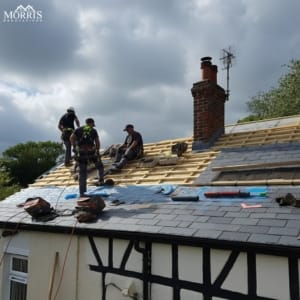
The goal is to provide you with a broad perspective on the topic. This way, you can plan your budget effectively and make the most of your investment.
Whether you’re a homeowner, an RV owner, or a real estate investor, this guide is for you. It’s also for anyone involved in home maintenance or considering a roof replacement project.
By the end of this guide, you’ll have a clear understanding of what to expect when replacing a roof. You’ll also know how to navigate the process smoothly and efficiently.
Let’s dive in and start unraveling the intricacies of roof replacement costs.
Factors Influencing Roof Replacement Costs
Several factors influence the cost of roof replacement. Understanding these factors can help you budget more accurately.
The main factors include the size and complexity of the roof, the materials used, and labor costs. Other factors include the pitch and shape of the roof and the cost of removing and disposing of old roofing.
Here’s a quick rundown of these factors:
- Roof size and complexity
- Roofing materials
- Labor costs
- Roof pitch and shape
- Removal and disposal of old roofing
Let’s delve deeper into each of these factors.
Roof Size and Complexity
The size of your roof is a primary factor in determining the cost. Larger roofs require more materials and labor, increasing the overall cost.
The complexity of the roof also plays a role. Roofs with multiple levels, intricate designs, or unique features can be more challenging to replace. This complexity can lead to higher labor costs.
Roofing Materials
The type of roofing material you choose significantly impacts the cost. Asphalt shingles, for instance, are a popular choice due to their affordability and durability.
Other materials, like metal or tile, can be more expensive. However, they often offer longer lifespans and better durability.
It’s important to consider both the upfront cost and the long-term value of the material. Some materials may cost more initially but offer better value over time due to their longevity and durability.
Labor Costs
Labor costs can vary widely based on your location and the contractor you choose. Some regions have higher labor costs due to the cost of living and demand for services.
It’s always a good idea to get multiple quotes from different contractors. This can help you understand the range of labor costs in your area and ensure you’re getting a fair price.
Roof Pitch and Shape
The pitch and shape of your roof can also affect the cost. Steeper roofs or those with complex shapes may require more time and specialized equipment to replace.
This can increase labor costs. It’s important to discuss these factors with your contractor to understand how they might impact your project’s cost.
Removal and Disposal of Old Roofing
Finally, the cost of removing and disposing of your old roofing material can add to the overall cost. This process can be labor-intensive and may require special equipment or disposal methods.
It’s important to factor this into your budget. Be sure to ask your contractor about the expected costs for removal and disposal.
Additional Costs to Consider
Beyond the basic factors, there are additional costs to consider. These can include necessary repairs, permits and inspections, special roof features, and seasonal or geographic variations.
Here’s a quick rundown of these additional costs:
- Repairs and structural considerations
- Permits and inspections
- Roof features: Skylights, chimneys, and gutters
- Seasonal and geographic variations
Let’s delve deeper into each of these additional costs.
Repairs and Structural Considerations
If your roof has underlying damage, repair costs can add up. Structural issues, such as damaged rafters or trusses, can increase the cost significantly.
It’s crucial to have a thorough inspection before starting the project. This can help identify potential issues and give you a more accurate cost estimate.
Permits and Inspections
Depending on your location, you may need permits for a roof replacement. The cost of these permits can vary widely.
Additionally, inspections may be required during and after the project. These inspections ensure the work meets local building codes and can add to the overall cost.
Roof Features: Skylights, Chimneys, and Gutters
Special roof features like skylights, chimneys, and gutters can increase the cost. These features often require additional work and materials.
If you’re considering adding or replacing these features, be sure to factor in the additional costs.
Seasonal and Geographic Variations
The cost of roof replacement can also vary by season and location. In areas with harsh winters, for example, roof replacement may be more expensive due to the challenges of working in cold weather.
Similarly, in areas prone to hurricanes or other severe weather, roofs may need to meet specific building codes, potentially increasing the cost.
Camper and Pop-Up Camper Roof Replacement Costs
Roof replacement costs aren’t just for homes. If you own a camper or a pop-up camper, you’ll also need to consider roof replacement at some point.
The costs for these types of roofs can vary significantly. Factors such as the size of the camper, the type of roofing material used, and the complexity of the roof can all influence the cost.
Here’s a quick rundown of these costs:
- Camper roof replacement cost
- Pop-up camper roof replacement cost
Camper Roof Replacement Cost
The cost to replace a camper roof can range widely. It largely depends on the size of the camper and the materials used.
For example, a small camper roof replacement might cost a few hundred dollars. However, for larger campers or those with high-end materials, the cost could run into the thousands.
Pop-Up Camper Roof Replacement Cost
Pop-up camper roofs are typically less expensive to replace than regular camper roofs. This is due to their smaller size and simpler construction.
However, the cost can still vary. It depends on factors such as the size of the camper, the materials used, and the complexity of the roof.
Budgeting for Your Roof Replacement
Budgeting for a roof replacement is a crucial step. It helps you avoid unexpected costs and ensures you can afford the project.
Here are some key points to consider when budgeting:
- Get multiple quotes
- Consider financing options
- Check your insurance coverage
Getting and Comparing Quotes
Getting multiple quotes from different contractors is essential. It gives you a range of prices to consider.
Don’t just go for the cheapest quote. Consider the contractor’s reputation, experience, and the quality of materials they use.
Financing Options and Insurance
There are several financing options available for roof replacements. These include personal loans, home equity loans, and credit cards.
Check your homeowner’s insurance policy too. Some policies may cover part of the cost if the roof replacement is due to certain types of damage.
Choosing a Roofing Contractor
Choosing the right roofing contractor is as important as budgeting. The contractor you choose will determine the quality of work and overall cost.
Ensure the contractor is licensed and insured. Also, consider their experience and reputation.
Licensing and Insurance
A licensed contractor is a must. It means they meet the state’s requirements for providing roofing services.
Also, ensure the contractor has insurance. This protects you from liability in case of accidents during the project.
Experience and Reputation
Experience matters in roofing. An experienced contractor can handle unexpected issues and deliver quality work.
Check the contractor’s reputation too. Read reviews and ask for references. A reputable contractor will have positive reviews and satisfied customers.
Conclusion and Next Steps
Understanding the roof replacement cost is crucial for planning and budgeting. It helps you make informed decisions about materials, contractors, and timing.
Now that you’re equipped with this knowledge, the next step is to start planning. Get quotes from different contractors, compare them, and choose the best one. Remember, the cheapest quote may not always be the best. Consider the contractor’s experience, reputation, and the quality of materials they use. Good luck with your roof replacement project!
Stay Tuned Here
Facebook – https://www.facebook.com/MorrisRenovationsNJ
YouTube – https://www.youtube.com/channel/UCp2MQzbnwQ2HELpIaxyZHZg
Instagram – https://www.instagram.com/morrisrenovationsinc/
LinkedIn – https://www.linkedin.com/company/morris-renovations
Twitter – https://twitter.com/MR_Morristown
Pinterest – https://www.pinterest.com/morris_renovations/
Medium – https://medium.com/@morrisrenovationsinc
Morristown Location – https://g.page/morris-renovations-inc?gm
Randolph Location – https://g.page/r/Cc_q9x0Rt5MeEAE