Hidden Costs of Roof Replacement Explained

Hidden Costs of Roof Replacement Explained

Roof replacement is a significant investment. It’s a project that demands careful planning and budgeting.

Yet, many homeowners and camper owners find themselves caught off guard. They encounter unexpected costs that were not factored into the initial budget.

This article aims to shed light on these hidden costs. We’ll delve into the various factors that influence the overall cost of replacing a roof.

We’ll explore everything from the size and complexity of the roof to the type of materials used. We’ll also discuss labor costs, disposal fees, and potential structural repairs.

For camper owners, we’ll provide a detailed breakdown of the costs specific to camper roof replacement. We’ll also discuss the impact of geography and climate on these costs.

By the end of this guide, you’ll have a comprehensive understanding of roof replacement costs. You’ll be better equipped to budget accurately for your next roof replacement project.

Let’s dive in and uncover the hidden costs of roof replacement.

Understanding Roof Replacement Costs

Roof replacement costs can vary widely. They depend on a multitude of factors, each contributing to the final bill.

The most obvious factors include the size of the roof and the materials used. However, there are many other considerations that can significantly impact the cost. These include labor costs, the complexity of the roof design, and the need for additional structural repairs.

Understanding these costs is crucial. It allows you to budget accurately and avoid unpleasant surprises. In the following sections, we’ll delve deeper into each of these factors. We’ll help you understand how they contribute to the overall cost of roof replacement.

Factors Affecting Roof Replacement Cost

When planning for a roof replacement, it’s essential to understand the various factors that can affect the cost. These factors can be broadly categorized into direct and indirect costs.

Direct costs include the materials used, labor costs, and the size and complexity of the roof. Indirect costs, on the other hand, can include permits, inspections, and potential hidden fees.

Let’s take a closer look at each of these factors:

  • Size and complexity of the roof
  • Roofing materials: types and costs
  • Labor costs: what to expect
  • Removal and disposal of the old roof
  • Additional structural repairs
  • Permits, inspections, and hidden fees

Size and Complexity of the Roof

The size of your roof is a primary factor in determining the cost of replacement. Larger roofs require more materials and labor, increasing the overall cost.

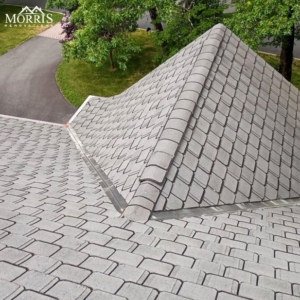
The complexity of the roof design can also impact the cost. Complex roofs have more corners, valleys, and slopes, which can make the installation process more challenging and time-consuming.

Therefore, a simple, small roof will generally be less expensive to replace than a large, complex one.

Roofing Materials: Types and Costs

The type of roofing material you choose can significantly affect the cost of your roof replacement. Asphalt shingles, for example, are a popular choice due to their affordability and durability.

However, if you opt for more premium materials like metal or slate, the cost can increase substantially. These materials are more expensive but offer longer lifespans and can enhance the aesthetic appeal of your home.

It’s important to weigh the cost against the benefits when choosing your roofing material.

Labor Costs: What to Expect

Labor costs can account for a significant portion of your roof replacement cost. These costs can vary depending on the complexity of the job and the rates of the roofing contractor you choose.

It’s important to get multiple quotes to ensure you’re getting a fair price. Remember, however, that the cheapest quote isn’t always the best.

Quality workmanship is crucial in roof replacement to avoid future issues and additional costs.

Removal and Disposal of the Old Roof

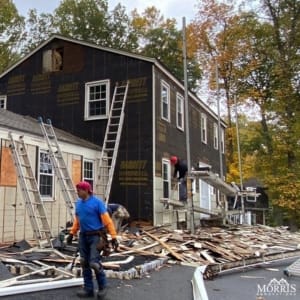
Before a new roof can be installed, the old one must be removed. This process can be labor-intensive and can add to the overall cost of the project.

Disposal of the old roofing materials can also incur fees. Some contractors include this in their quote, while others may charge separately.

Make sure to clarify this with your contractor to avoid unexpected costs.

Additional Structural Repairs

Sometimes, hidden damage is discovered during the roof replacement process. This could include issues like rot or structural damage that need to be addressed before the new roof can be installed.

These repairs can add to the overall cost of the project. It’s a good idea to have a contingency budget in place to cover such unexpected expenses.

Permits, Inspections, and Hidden Fees

Depending on your location, you may need to obtain permits for your roof replacement. The cost of these permits can add to your overall expenses.

Inspections may also be required, either during or after the project, which can incur additional costs.

Lastly, be aware of potential hidden fees. These could include charges for project delays, changes to the project scope, or unforeseen complications. Always read your contract carefully to understand all potential costs.

Camper and Pop-Up Camper Roof Replacement Costs

Replacing the roof of a camper or pop-up camper can be a different ball game compared to residential roof replacement. The costs can vary significantly based on the size, material, and design of the camper roof.

While the square footage of a camper roof is typically less than that of a residential roof, the materials used can be more specialized. This can sometimes result in higher costs per square foot.

Labor costs can also be different. Some camper owners choose to tackle the project themselves to save on labor costs. However, this requires a certain level of skill and knowledge.

It’s important to get a detailed quote from a professional who specializes in camper roof replacements to understand the full cost.

Differences Between Residential and Camper Roof Costs

Residential and camper roofs differ in many ways, and these differences can impact the cost of replacement. For instance, residential roofs are typically larger and more complex, leading to higher material and labor costs.

On the other hand, camper roofs, while smaller, often require specialized materials and techniques. This can sometimes make them more expensive on a per-square-foot basis.

It’s also worth noting that while some homeowners may choose to DIY their roof replacement, this is less common with camper owners due to the specialized knowledge required.

Special Considerations for Camper Roofs

When replacing a camper roof, there are several special considerations to keep in mind. For instance, the weight of the roofing material can be a critical factor.

Camper roofs need to be lightweight to maintain the vehicle’s fuel efficiency and safety. Therefore, heavy materials like slate or tile are typically not suitable for camper roofs.

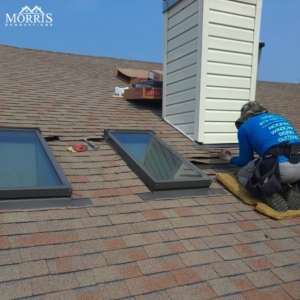
Additionally, camper roofs often have additional features like vents, skylights, or air conditioning units. These features can complicate the replacement process and add to the overall cost.

The Impact of Geography and Climate

The geographical location and climate of your home or where you frequently use your camper can significantly influence the roof replacement cost. Certain roofing materials perform better in specific climates, which can affect the material cost and longevity of your roof.

For instance, metal roofs are excellent for areas with high snowfall as they allow snow to slide off easily. However, they can be more expensive than asphalt shingles. In contrast, in hot and sunny climates, reflective roofing materials can help keep your home or camper cooler, reducing energy costs.

Lastly, local building codes and regulations can also impact the cost. Some areas may require specific types of roofing materials or installation methods to withstand local weather conditions. Always check with local authorities or a knowledgeable contractor to ensure your new roof meets all necessary requirements.

Warranties and Insurance: Factoring in the Long-Term Costs

When considering the roof replacement cost, it’s crucial to factor in the long-term costs associated with warranties and insurance. A warranty can cover the cost of materials and labor if your new roof fails prematurely. However, the cost of this warranty is often included in the overall roof replacement cost.

Insurance can also play a significant role in the roof replacement cost. If your roof was damaged due to a covered event, such as a storm or fire, your insurance might cover a portion of the replacement cost. However, keep in mind that premiums may increase after a claim.

Lastly, remember that both warranties and insurance are forms of protection against future potential costs. They can provide peace of mind, knowing that you are financially covered should anything go wrong with your new roof.

Preparing for Unforeseen Expenses

Roof replacement projects can often bring unexpected costs. These can arise from hidden damage discovered during the replacement process, such as rotten rafters or water-damaged insulation. It’s wise to set aside a contingency budget to cover these unforeseen expenses.

Another potential hidden cost is the need for temporary accommodation. If your home becomes uninhabitable during the roof replacement, you may need to budget for a hotel stay or other temporary housing. This is more common in extensive projects or when severe weather conditions prolong the project timeline.

In conclusion, while it’s impossible to predict every potential expense, being prepared for unexpected costs can help ensure your roof replacement project doesn’t break the bank. Always factor in a contingency budget when planning for a roof replacement. This will help you avoid financial stress and keep your project on track.

Conclusion: Budgeting for the Full Picture

Roof replacement is a significant investment, and understanding the potential hidden costs is crucial. From material choices to labor costs, and from geographic location to unexpected repairs, many factors can influence the final bill.

By considering all these aspects, you can budget more accurately for your roof replacement project. Whether you’re a homeowner or a camper owner, being well-informed about the potential costs can help you make the best decisions for your specific needs and budget. Remember, a well-maintained roof is not just a part of your property; it’s an investment in your comfort and security.

Stay Tuned Here

Facebook – https://www.facebook.com/MorrisRenovationsNJ

YouTube – https://www.youtube.com/channel/UCp2MQzbnwQ2HELpIaxyZHZg

Instagram – https://www.instagram.com/morrisrenovationsinc/

LinkedIn – https://www.linkedin.com/company/morris-renovations

Twitter – https://twitter.com/MR_Morristown

Pinterest – https://www.pinterest.com/morris_renovations/

Medium – https://medium.com/@morrisrenovationsinc

Morristown Location – https://g.page/morris-renovations-inc?gm

Randolph Location – https://g.page/r/Cc_q9x0Rt5MeEAE
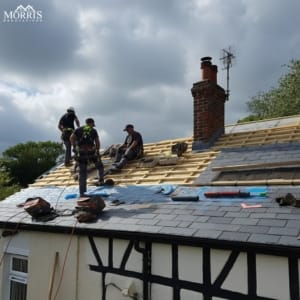
Roofing Replacement in NJ

Roofing Replacement in NJ

Roofing replacement is a significant undertaking for any homeowner. In New Jersey, it’s a task that requires careful planning and consideration.

Denville Roofer

Denville Roofer

Understanding when to replace your roof is crucial. It’s not just about aesthetics, but also about the safety and integrity of your home.

This guide aims to provide you with comprehensive information on roofing replacement in New Jersey. We’ll delve into the signs that indicate the need for a roof replacement, the process involved, and the materials to consider.

We’ll also guide you on how to choose a reliable contractor. Plus, we’ll share tips on maintaining your new roof to extend its lifespan.

Whether you’re facing roofing issues or considering a home renovation, this guide will equip you with the knowledge you need. Let’s embark on this journey to ensure your home remains safe and beautiful.

When to Consider Roofing Replacement in NJ

Knowing when to replace your roof is key to maintaining your home’s structural integrity. Several signs can indicate the need for a roofing replacement.

One common sign is when your roof is nearing the end of its lifespan. The average lifespan of a roof varies depending on the materials used. For instance, asphalt shingles typically last 20 to 25 years.

Another sign is when you notice extensive damage. This could be in the form of missing shingles, leaks, or visible sagging. These issues often point to underlying problems that may require a complete roof replacement.

Lastly, if your roof has suffered significant damage from a storm or other extreme weather event, it might be more cost-effective to replace it rather than repair it.

Assessing Your Roof: Repair vs. Replacement

Deciding between roof repair and replacement can be challenging. It’s crucial to assess the condition of your roof accurately to make an informed decision.

If the damage is localized to a small area, a repair might suffice. However, if the damage is extensive or the roof is old, replacement might be the best option.

Remember, delaying necessary replacement can lead to more severe structural damage. It’s always wise to consult with a professional roofing contractor to get an accurate assessment.

The Roofing Replacement Process in New Jersey

The process of roofing replacement in New Jersey involves several steps. First, the old roofing material is removed. This step is crucial to inspect the roof deck and make necessary repairs.

Next, a protective underlayment is installed. This layer serves as a barrier against water and wind, enhancing the roof’s durability.

The new roofing material is then installed. The type of material used depends on the homeowner’s preference and the local climate.

After the installation, a thorough inspection is conducted. This ensures that the installation meets the local building codes and the manufacturer’s guidelines.

Finally, a cleanup is done to remove any debris from the property. The contractor should leave your property as clean as it was before the project started.

Choosing the Right Materials for NJ Climate

Selecting the right roofing material is crucial for New Jersey homeowners. The state’s diverse climate demands a roof that can withstand both hot summers and cold winters.

Asphalt shingles are a popular choice due to their durability and affordability. They can resist high winds and heavy snowfall, common in New Jersey’s winter months.

Metal roofs, on the other hand, are known for their longevity and energy efficiency. They reflect sunlight, reducing cooling costs during the hot summer months.

Lastly, slate and tile roofs offer a unique aesthetic appeal. While they are more expensive, they are extremely durable and can last for decades with proper maintenance.

Understanding New Jersey Building Codes for Roofing

New Jersey building codes play a significant role in roofing replacement. They ensure safety and quality in construction practices.

These codes specify requirements for materials, design, and installation methods. For instance, they may dictate the type of underlayment or the slope of the roof.

It’s crucial to hire a contractor familiar with these codes. Non-compliance can lead to penalties and may require costly modifications to meet the standards.

Selecting a Reliable Roofing Contractor in NJ

Choosing the right contractor is a critical step in your roofing replacement journey. You need a professional who understands New Jersey’s unique climate and building codes.

Look for contractors with proper licensing and insurance. This protects you from potential liabilities during the project.

Consider their experience and reputation. Check online reviews and ask for references to gauge their reliability.

Lastly, ensure they offer a solid warranty. This provides assurance of their workmanship and the materials used.

The Cost of Roofing Replacement in New Jersey

The cost of roofing replacement in New Jersey can vary widely. It depends on factors like the size of your roof, the materials used, and the complexity of the job.

On average, homeowners can expect to pay between $5,000 and $10,000. High-end materials or complex roofs can push the cost higher.

Remember, the cheapest quote isn’t always the best. Quality workmanship and materials can save you money in the long run.

Always budget for unexpected costs. Issues like structural damage or mold may only become apparent once the project begins.

Fairfield Roofer

Fairfield Roofer

Financing Your Roof Replacement Project

Roofing replacement is a significant investment. Fortunately, there are several financing options available to homeowners in New Jersey.

Some roofing contractors offer financing plans. Alternatively, you could consider a home improvement loan or a home equity line of credit.

Before committing to any financing option, make sure to understand the terms. Consider the interest rates, repayment period, and any potential penalties.

Maintaining Your New Jersey Roof Post-Replacement

Once your new roof is installed, proper maintenance is key. Regular upkeep can extend the lifespan of your roof and save you money in the long run.

Start by scheduling regular roof inspections. This can help identify potential issues before they become major problems.

Keep your gutters clean and ensure proper drainage. Water buildup can lead to roof damage over time.

Lastly, address any repairs promptly. Small issues can quickly escalate if left unattended, leading to the need for another roof replacement sooner than expected.

Conclusion: Maximizing Your Investment

Roofing replacement is a significant investment. However, with careful planning and the right contractor, it can add value to your New Jersey home.

Remember to consider the local climate when choosing materials. Energy-efficient options can also help reduce utility bills.

Regular maintenance post-installation is crucial. It can extend the lifespan of your roof and prevent costly repairs.

In conclusion, a well-executed roofing replacement can enhance your home’s curb appeal, increase its market value, and provide peace of mind knowing your home is well-protected.

Stay Tuned Here

Facebook – https://www.facebook.com/MorrisRenovationsNJ

YouTube – https://www.youtube.com/channel/UCp2MQzbnwQ2HELpIaxyZHZg

Instagram – https://www.instagram.com/morrisrenovationsinc/

LinkedIn – https://www.linkedin.com/company/morris-renovations

Twitter – https://twitter.com/MR_Morristown

Pinterest – https://www.pinterest.com/morris_renovations/

Medium – https://medium.com/@morrisrenovationsinc

Morristown Location – https://g.page/morris-renovations-inc?gm

Randolph Location – https://g.page/r/Cc_q9x0Rt5MeEAE
Essential Guide to Roofing Replacement Costs

Essential Guide to Roofing Replacement Costs

Roofing replacement is a significant investment for any homeowner. It’s a project that requires careful planning and budgeting.

Understanding the costs involved is crucial. It helps you make informed decisions and avoid unexpected expenses.

In this guide, we’ll delve into the various factors that influence roofing replacement costs. We’ll focus on New Jersey, where local factors can significantly impact the overall cost.

We’ll explore the cost of different roofing materials, from common asphalt shingles to alternative options. We’ll also discuss labor costs and additional expenses you might encounter.

Choosing the right roofer in NJ is another critical aspect we’ll cover. We’ll provide tips on selecting a qualified professional and getting competitive quotes.

We’ll also discuss how to maximize your roofing investment. This includes understanding warranties, considering long-term savings, and timing your project effectively.

Whether you’re a homeowner, property manager, or real estate investor, this guide will equip you with the knowledge you need. It’s time to plan your roofing replacement project with confidence.

Florham Park Roofer

Florham Park Roofer

Understanding Roofing Replacement Costs in NJ

Roofing replacement costs in New Jersey can vary widely. The size of the roof, the materials used, and the location of the property all play a role.

Local building codes and weather patterns can also influence costs. For instance, roofs in coastal areas may require materials resistant to saltwater corrosion.

It’s important to understand these factors to budget accurately for your roofing replacement project.

Morris Plains Roofer

Morris Plains Roofer

Factors Influencing Roofing Costs

Several factors can influence the cost of roofing replacement. The size and complexity of the roof are primary considerations.

Larger roofs require more materials and labor, increasing the cost. Complex roof designs with multiple angles or features like skylights also require more work.

The type of roofing material chosen significantly impacts the cost. Asphalt shingles are the most common and cost-effective option, but other materials like metal or slate may offer longer lifespans or aesthetic appeal.

Labor costs can also vary. It’s important to get multiple quotes to ensure competitive pricing.

Additional expenses, such as removal and disposal of old roofing, permits, inspections, and potential hidden costs, should also be considered.

Size and Complexity of the Roof

The size of your roof directly influences the cost of replacement. More square footage means more materials and more labor.

The complexity of the roof design also matters. Roofs with multiple angles, valleys, or features like chimneys or skylights require more time and materials, increasing the cost.

Roofing Materials: Types and Costs

Asphalt shingles are the most common roofing material in NJ. They’re cost-effective and come in a variety of styles and colors.

However, other materials like metal, slate, or wood may be worth considering. While these materials can be more expensive upfront, they often offer longer lifespans and can enhance the property’s aesthetic appeal.

The type of shingles chosen can also affect the cost. Architectural shingles, for instance, are more expensive than 3-tab shingles but offer a more dimensional look.

It’s important to weigh the cost, lifespan, and appearance of different materials when planning your roofing replacement.

Labor Costs for Roofers in NJ

Labor costs can vary significantly among roofers in NJ. Factors such as the contractor’s experience, reputation, and workload can influence their rates.

It’s important to get multiple quotes to ensure you’re getting a fair price. However, remember that the cheapest quote isn’t always the best.

Quality workmanship is crucial for a durable, long-lasting roof. It’s worth investing in a reputable, experienced roofer.

Additional Expenses to Consider

Beyond the basic costs of materials and labor, there are additional expenses to consider. These can include the cost of removing and disposing of the old roof, permits and inspections, and potential hidden costs.

These additional expenses can add up, so it’s important to factor them into your budget.

Removal and Disposal of Old Roofing

Before a new roof can be installed, the old one must be removed. This process involves labor and disposal costs.

If there’s damage to the underlying structure, repair costs can also add to the total. It’s important to have a thorough inspection before starting the project to identify any potential issues.

Permits, Inspections, and Hidden Costs

Permits and inspections are typically required for roofing replacement projects. The cost for these can vary depending on local regulations.

There may also be hidden costs that aren’t apparent until the project is underway. For instance, if the old roof has caused unseen water damage, additional repairs may be needed.

It’s important to discuss these potential costs with your roofer upfront and to have a contingency budget in place.

Roseland Roofer

Roseland Roofer

Choosing the Right Roofing Material

Choosing the right roofing material is a crucial part of your roofing replacement project. The material you choose can significantly impact the cost, lifespan, and appearance of your roof.

In New Jersey, asphalt shingles are the most commonly used roofing material. However, there are several other options to consider, each with its own pros and cons.

It’s important to consider factors such as cost, durability, maintenance requirements, and aesthetic appeal when choosing your roofing material.

Asphalt Shingles: Pros, Cons, and Costs

Asphalt shingles are a popular choice for many homeowners in NJ. They’re cost-effective, easy to install, and come in a variety of styles and colors.

However, asphalt shingles have a shorter lifespan than some other materials. They typically last about 20 to 30 years, depending on the quality of the shingle and the local climate.

Alternative Roofing Options

While asphalt shingles are the most common, there are several other roofing materials to consider. Metal roofing, for instance, is durable and fire-resistant, but it’s also more expensive.

Slate and tile roofs offer a distinctive look and a long lifespan, but they’re heavy and require a strong roof structure. Wood shingles or shakes provide a natural, rustic appearance, but they require more maintenance and have a shorter lifespan.

Each material has its own pros and cons, so it’s important to consider your budget, aesthetic preferences, and long-term plans when making your decision.

Selecting a Qualified Roofer in NJ

Once you’ve decided on the right roofing material, the next step is to find a qualified roofer in NJ. This is a crucial step in your roofing replacement project.

Choosing the right roofer can ensure that your project is completed on time, within budget, and to a high standard of quality.

Experience, Licensing, and Insurance

When selecting a roofer, it’s important to consider their experience, licensing, and insurance. A roofer with many years of experience will likely have the skills and knowledge to handle any challenges that may arise during your project.

Additionally, a licensed and insured roofer can provide peace of mind. This ensures that they are operating legally and that you’re protected in case of any accidents or damage during the project.

Getting and Comparing Quotes

Before making a decision, it’s a good idea to get quotes from several roofers. This can help you understand the range of prices and services available.

Remember, the cheapest quote isn’t always the best. It’s important to consider the quality of work, the materials used, and the roofer’s reputation when comparing quotes.

Maximizing Your Roofing Investment

Investing in a new roof is a significant financial decision. It’s important to ensure that you’re getting the most value for your money.

One way to do this is by considering the long-term benefits of your roofing choices, such as energy efficiency and durability.

Warranties and Long-Term Savings

Warranties can provide added value to your roofing investment. They offer protection against defects in materials or workmanship.

Also, consider the potential long-term savings. Energy-efficient roofing materials, for example, can reduce your heating and cooling costs over time.

Seasonal Considerations and Timing Your Project

The timing of your roofing project can also impact the cost. Roofing contractors may offer lower prices during their slower seasons.

However, weather conditions should also be considered. It’s generally best to schedule roofing work during dry, mild weather.

Mountain Lakes Roofer

Mountain Lakes Roofer

Conclusion: Planning for Your Roofing Replacement

Planning for a roofing replacement involves many factors. From choosing the right materials to finding a qualified roofer in NJ, each decision impacts the cost and success of your project.

Remember, the cheapest option isn’t always the best. Consider the long-term benefits and potential savings when making your decisions. With careful planning and consideration, you can maximize your investment and enjoy a durable, efficient roof for years to come.

Stay Tuned Here

Facebook – https://www.facebook.com/MorrisRenovationsNJ

YouTube – https://www.youtube.com/channel/UCp2MQzbnwQ2HELpIaxyZHZg

Instagram – https://www.instagram.com/morrisrenovationsinc/

LinkedIn – https://www.linkedin.com/company/morris-renovations

Twitter – https://twitter.com/MR_Morristown

Pinterest – https://www.pinterest.com/morris_renovations/

Medium – https://medium.com/@morrisrenovationsinc

Morristown Location – https://g.page/morris-renovations-inc?gm

Randolph Location – https://g.page/r/Cc_q9x0Rt5MeEAE
How to Choose Gutter Installers in Your Area

How to Choose Gutter Installers in Your Area

Choosing the right gutter installer in your area is crucial for the longevity of your property.

Properly installed gutters protect your home or commercial property from water damage. They also contribute to the overall curb appeal and value of your property.

This guide will help you navigate the process of selecting a local gutter installer. We’ll cover aspects such as expertise, cost, materials, and customer service.

Whether you’re a homeowner or a commercial property manager, this article will provide you with actionable advice to make an informed decision.

New Gutters New Jersey

New Gutters New Jersey

Understanding the Importance of Quality Gutter Installation

Quality gutter installation is more than just a cosmetic upgrade. It’s a vital part of your property’s protection system.

Gutters direct rainwater away from your property, preventing potential water damage. They also help manage water flow around your property, reducing the risk of soil erosion and foundation issues.

Different climates require different types of gutters. Therefore, it’s essential to choose a gutter installer who understands your local weather conditions.

Lastly, a well-installed gutter system can enhance the curb appeal and value of your property.

Evaluating Gutter Installers: Credentials and Experience

When looking for “gutter installation near me,” credentials matter. Ensure the installer is licensed and insured.

Experience is also crucial. An experienced installer will have the skills to handle any installation challenges.

Ask for references and check their previous work. This will give you an idea of their work quality.

Lastly, ensure they comply with local building codes. Non-compliance can lead to penalties and compromise your property’s safety.

New Gutters New Jersey

New Gutters New Jersey

Material Matters: Selecting the Right Gutter for Your Climate

The material of your gutters is a key factor. It should withstand your local climate conditions.

For instance, aluminum gutters are rust-resistant and suitable for most climates. On the other hand, copper gutters are more durable but expensive.

Consider the following materials:

  • Aluminum: Lightweight and rust-resistant.
  • Copper: Durable but expensive.
  • Vinyl: Affordable but may crack in cold climates.
  • Steel: Strong but prone to rust.

Cost Considerations: Getting and Comparing Quotes

When looking for “gutter installation near me,” cost is a crucial factor. It’s wise to get multiple quotes from different installers.

Each quote should detail the cost of materials, labor, and any additional services. This will help you compare and choose the best value for your money.

Remember, the cheapest option may not always provide the best quality. Consider the installer’s reputation and experience too.

Local Expertise: The Benefits of Hiring Nearby

Hiring a local gutter installer has several benefits. They are familiar with the local climate and building codes. This knowledge ensures your gutters are suitable for your area.

Local installers can provide quicker service. They are just a call away for any emergency repairs or maintenance.

Supporting local businesses also contributes to your community’s economy. It’s a win-win situation.

Customer Reviews and Testimonials: Learning from Others’ Experiences

Customer reviews and testimonials are valuable resources. They provide insights into the installer’s work quality and customer service.

Look for patterns in reviews. Consistent praise or complaints can indicate what to expect.

Remember, a few negative reviews are normal. How the company responds to them is what matters.

Gutter Screening NJ

Gutter Screening NJ

Questions to Ask Before Hiring a Gutter Installer

Before hiring a gutter installer, it’s crucial to ask the right questions. This helps ensure you’re making an informed decision.

Some key questions include:

  • What materials do you recommend for my property and why?
  • Do you comply with local building codes and regulations?
  • What warranties or guarantees do you offer?

Remember, a good installer will be happy to answer your questions.

Ensuring a Smooth Installation: What to Expect

A smooth installation process is key to a successful gutter system. It starts with a thorough inspection and consultation.

The installer should also provide clear communication and a detailed contract. This ensures you know what to expect.

Stay Tuned Here

Facebook – https://www.facebook.com/MorrisRenovationsNJ

YouTube – https://www.youtube.com/channel/UCp2MQzbnwQ2HELpIaxyZHZg

Instagram – https://www.instagram.com/morrisrenovationsinc/

LinkedIn – https://www.linkedin.com/company/morris-renovations

Twitter – https://twitter.com/MR_Morristown

Pinterest – https://www.pinterest.com/morris_renovations/

Medium – https://medium.com/@morrisrenovationsinc

Morristown Location – https://g.page/morris-renovations-inc?gm

Randolph Location – https://g.page/r/Cc_q9x0Rt5MeEAE
Finding Reliable Siding Contractors in Your Area

When it comes to home improvement, choosing the right siding contractor can make all the difference. Whether you’re looking to enhance your home’s curb appeal or protect it from the elements, finding a reliable contractor is crucial. Here are some practical tips to help you find the best siding contractors in your area.

Siding Contractor New Jersey

Siding Contractor New Jersey

Research Local Contractors

Start by researching local siding contractors. A simple online search for “siding contractors near me” can yield a list of potential candidates. Check their websites to get a feel for their services, experience, and customer reviews. Pay close attention to reviews, as they can give you insight into the contractor’s reliability and quality of work.

Ask for Recommendations

Word-of-mouth recommendations are invaluable. Ask friends, family, and neighbors if they have worked with any reliable siding contractors. Personal experiences can provide a trustworthy reference and help you avoid contractors with poor reputations.

Verify Credentials

Once you have a list of potential contractors, it’s essential to verify their credentials. Ensure that they are licensed and insured. Licensing means they meet local regulations and standards, while insurance protects you from liability in case of accidents or damage during the project.

Request Multiple Quotes

Don’t settle for the first quote you receive. Contact at least three different contractors and request detailed quotes. This will not only give you a range of pricing options but also help you understand what services are included. Make sure the quotes are itemized so you can compare them effectively.

Home Siding Repair

Home Siding Repair

Check Past Work

Ask contractors for a portfolio of their past work. This can include photos of previous projects or even a list of references. Contact these references to ask about their experience with the contractor. Were they satisfied with the work? Was the project completed on time and within budget?

Discuss Project Details

Before making a final decision, discuss the specifics of your project with the contractor. This includes the type of siding you want (such as cedar), the project timeline, and any potential challenges. Clear communication helps ensure that both you and the contractor are on the same page.

Evaluate Customer Service

Good customer service is a hallmark of a reliable contractor. Pay attention to how they communicate with you from the initial inquiry through to the final stages of the project. Are they responsive and courteous? Do they take the time to answer your questions thoroughly?

New Jersey Roofing Service

New Jersey Roofing Service

Finalize the Contract

Once you’ve chosen a contractor, make sure to get everything in writing. The contract should outline the scope of work, materials to be used, project timeline, payment schedule, and any warranties. Read the contract carefully and ask for clarification on any points you’re unsure about.

By following these steps, you can find a reliable siding contractor who will deliver quality work and peace of mind. Whether you’re searching for “commercial siding contractors near me” or “cedar siding contractors near me,” these guidelines will help you make an informed decision. Happy renovating!

Stay Tuned Here

Facebook – https://www.facebook.com/MorrisRenovationsNJ

YouTube – https://www.youtube.com/channel/UCp2MQzbnwQ2HELpIaxyZHZg

Instagram – https://www.instagram.com/morrisrenovationsinc/

LinkedIn – https://www.linkedin.com/company/morris-renovations

Twitter – https://twitter.com/MR_Morristown

Pinterest – https://www.pinterest.com/morris_renovations/

Medium – https://medium.com/@morrisrenovationsinc

Morristown Location – https://g.page/morris-renovations-inc?gm

Randolph Location – https://g.page/r/Cc_q9x0Rt5MeEAE

The Future of Solar Shingles

Solar energy is not a new concept. Yet, the way we harness it is constantly evolving. One of the latest advancements in this field is solar shingles (SS).

Solar Roof Shingles

Solar Roof Shingles

These innovative devices blend the functionality of solar panels with the aesthetics of traditional roofing materials. They are not only efficient but also visually appealing.

In this article, we will delve into the world of solar shingles. We will explore their benefits, cost-effectiveness, and suitability for different regions, with a special focus on Florida.

Join us as we uncover why they represent the future of residential solar energy solutions.

What Are Solar Shingles?

They are also known as photovoltaic shingles, are a type of solar energy solution.

They are designed to look like conventional roofing materials while generating electricity.

Hanover Roofer

Hanover Roofer

Unlike traditional solar panels, solar shingles are integrated directly into the roof. They serve a dual purpose: protecting the home from the elements and converting sunlight into energy.

The technology used in solar shingles is similar to that in solar panels. They both use photovoltaic cells to capture sunlight and convert it into electricity.

However, they are smaller and less conspicuous than traditional solar panels, making them an attractive option for homeowners who value aesthetics as well as functionality.

The Evolution of Solar Shingle Technology

Solar shingle technology has come a long way since its inception.

In the early days, solar shingles were not as efficient as traditional solar panels. They were also more expensive and less durable.

However, advancements in photovoltaic technology and manufacturing processes have significantly improved the performance and affordability of SS.

Today, they are a viable alternative to traditional solar panels, offering comparable efficiency and durability, with the added benefit of a more aesthetically pleasing appearance.

Aesthetic and Functional Appeal

One of the main draws of SS is their aesthetic appeal. Unlike bulky solar panels, solar shingles blend seamlessly with traditional roofing materials.

Roofing Installation NJ

This makes them an attractive option for homeowners who want to harness solar energy without compromising the look of their homes.

In addition to their aesthetic appeal, solar shingles also offer functional benefits. They are durable, weather-resistant, and capable of generating a significant amount of electricity.

Efficiency and Performance in Various Climates

Solar shingles are designed to convert sunlight into electricity efficiently. They use advanced photovoltaic technology to achieve this.

The efficiency of SS can vary depending on the climate. In areas with abundant sunlight, they can generate a significant amount of electricity.

However, they can also perform well in less sunny climates. Even on cloudy days, solar shingles can still generate electricity, albeit at a lower rate.

The performance of the SS also depends on the orientation of the roof. South-facing roofs tend to get the most sunlight.

Despite these factors, solar shingles can provide a reliable source of electricity in various climates.

Special Focus: Solar Shingles in Florida

Florida, known as the Sunshine State, is an ideal location for SS. The state’s abundant sunlight allows solar shingles to generate electricity at high rates.

Moreover, Florida offers incentives for solar energy, making SS a cost-effective option.

Solar reflective shingles are particularly beneficial in Florida. They reflect sunlight, reducing heat absorption and helping to keep homes cool.

Cost Analysis: Upfront Investment vs. Long-Term Savings

The cost of solar shingles can be a significant upfront investment. This includes the cost of the shingles themselves, as well as installation costs.

However, it’s important to consider the long-term savings. SS can significantly reduce or even eliminate your electricity bills.

Over time, these savings can offset the initial investment. Many homeowners find that SS pay for themselves within a few years.

Additionally, there are financial incentives available for solar energy. These can further reduce the cost of solar shingles.

It’s also worth noting that SS can increase the value of your home. This can be a significant benefit if you plan to sell in the future.

In conclusion, while solar shingles require an upfront investment, the long-term savings and benefits can make them a cost-effective choice.

Installation and Integration into Existing Homes

Solar shingles are designed to integrate seamlessly into existing homes. They are installed directly onto the roof, replacing traditional shingles.

This means that they can be added to your home without the need for major renovations. The installation process is relatively straightforward, although it should be carried out by a professional to ensure optimal performance.

In addition to their functional benefits, SS can also enhance the aesthetic appeal of your home. They blend in with traditional roofing materials, providing a sleek and modern look.

Durability and Maintenance: What Homeowners Need to Know

Solar shingles are designed to be highly durable. They are made from tough materials that can withstand harsh weather conditions. This includes high winds, heavy rain, and even hail.

In terms of lifespan, solar shingles can last for several decades. This is comparable to, if not longer than, the lifespan of traditional roofing materials.

Maintenance for SS is relatively minimal. They do not require any special cleaning or upkeep. However, it is recommended to have them inspected by a professional every few years to ensure they are functioning optimally.

One important factor to consider is the potential for damage. While solar shingles are tough, they can still be damaged by severe weather or falling debris. Homeowners should be aware of this and take steps to protect their investment.

In conclusion, solar shingles are a durable and low-maintenance option for homeowners looking to switch to renewable energy. They offer a long lifespan and require minimal upkeep, making them a practical choice for many homes.

Environmental Impact and Energy Independence

Solar shingles have a significant positive impact on the environment. They generate clean, renewable energy, reducing reliance on fossil fuels. This helps to lower greenhouse gas emissions and combat climate change.

In addition to their environmental benefits, SS also promote energy independence. Homeowners who install solar shingles can generate their own electricity. This reduces their dependence on the grid and can even result in energy cost savings.

In conclusion, SS offer a way for homeowners to reduce their environmental footprint and achieve energy independence. They represent a sustainable and self-sufficient approach to home energy.

Incentives and Tax Credits for Solar Shingle Installation

There are numerous incentives and tax credits available for homeowners who choose to install solar shingles. These can significantly offset the initial cost of installation. For instance, the federal solar tax credit allows homeowners to deduct a portion of the cost of installing a solar energy system from their federal taxes.

In addition to federal incentives, many states also offer their own solar incentives. These can include property tax exemptions, sales tax exemptions, and cash rebates. It’s important for homeowners to research the specific incentives available in their area.

In conclusion, the financial incentives for solar shingle installation can make this renewable energy option more affordable for many homeowners. It’s a worthwhile investment that can lead to significant savings in the long run.

The Future of Solar Shingles: Advancements on the Horizon

The future of solar shingles is bright, with many advancements on the horizon. As technology continues to evolve, we can expect to see SS become even more efficient and cost-effective.

One of the most exciting advancements is the development of thin-film solar cells. These cells are lighter and more flexible than traditional solar cells, which could allow for solar shingles that are even more aesthetically pleasing and easier to install.

In addition, advancements in energy storage technology could make SS an even more attractive option. With improved battery storage, homeowners could store excess energy produced during the day for use at night or during periods of low sunlight.

Finally, as the demand for renewable energy continues to grow, we can expect to see more companies entering the solar shingle market. This increased competition could lead to lower prices and more options for consumers.

Choosing the Right Solar Shingle Provider

Choosing the right solar shingle provider is crucial. It’s not just about the product, but also the quality of service.

Look for a provider with a solid track record. They should have a history of successful installations and satisfied customers.

Also, consider the warranty they offer. A good warranty can provide peace of mind, knowing that your investment is protected.

Market Leaders and Product Offerings

Several market leaders stand out in the solar shingle industry. Companies like Tesla, CertainTeed, and SunTegra have made a name for themselves with their innovative products.

Tesla, for instance, offers the Solar Roof, a product that combines solar and non-solar tiles to create a seamless and aesthetically pleasing roof.

CertainTeed, on the other hand, offers the Apollo II, a solar shingle system that integrates with the existing roof for a clean and streamlined look. SunTegra, meanwhile, offers both SS and solar tiles, providing options for different aesthetic preferences and roofing requirements.

Conclusion: Why Solar Shingles Are the Way Forward

Solar shingles represent a significant step forward in renewable energy technology. They offer a blend of efficiency, aesthetics, and practicality that traditional solar panels can’t match.

Moreover, with the potential for long-term energy savings and increased property value, they make a compelling investment. They’re not just good for the environment, but also for your wallet.

As technology continues to advance, we can expect SS to become even more efficient and affordable. They truly represent the future of residential solar energy solutions.

STAY TUNED HERE

Facebook – https://www.facebook.com/MorrisRenovationsNJ

YouTube – https://www.youtube.com/channel/UCp2MQzbnwQ2HELpIaxyZHZg

Instagram – https://www.instagram.com/morrisrenovationsinc/

LinkedIn – https://www.linkedin.com/company/morris-renovations

Twitter – https://twitter.com/MR_Morristown

Pinterest – https://www.pinterest.com/morris_renovations/

Medium – https://medium.com/@morrisrenovationsinc

Morristown Location – https://g.page/morris-renovations-inc?gm

Randolph Location – https://g.page/r/Cc_q9x0Rt5MeEAE

Roofing Replacement in New Jersey

Roofing Replacement in New Jersey

Your home is your sanctuary, a place of comfort and security.

The roof over your head plays a crucial role in maintaining this comfort.

However, like all things, it’s subject to wear and tear.

In New Jersey, the need for roofing replacement is not uncommon.

This guide aims to provide homeowners in New Jersey with comprehensive insights into roofing replacement.

From understanding when it’s time for a replacement, to choosing the right contractor, we’ve got you covered.

Bernardsville Roofer

Bernardsville Roofer

When Is It Time for Roofing Replacement?

Knowing when to replace your roof is crucial.

It can save you from costly repairs and potential damage to your home.

Several signs indicate the need for a roofing replacement.

These include:

  • Aging roof (most roofs last 20-25 years)
  • Missing or damaged shingles
  • Leaks and water damage
  • Granules in the gutter
  • Sagging roof

If you notice any of these signs, it’s time to consider a roofing replacement.

Madison Roofer

Madison Roofer

Understanding New Jersey’s Climate Impact on Roofs

New Jersey’s climate can be tough on roofs.

The state experiences a mix of hot summers and cold winters.

This can lead to the expansion and contraction of roofing materials, causing damage over time.

Additionally, storms and high winds can lead to further wear and tear.

Roofing Installation NJ

Benefits of Roofing Replacement in NJ

Roofing replacement in New Jersey offers several benefits.

Firstly, it enhances the curb appeal of your home.

A new roof can significantly improve your property’s aesthetic value.

Secondly, it increases your home’s resale value.

Potential buyers often prefer homes with recently replaced roofs.

Lastly, a new roof can improve your home’s energy efficiency.

Modern roofing materials are designed to provide better insulation, reducing energy costs.

Moreover, it provides peace of mind.

Knowing that your roof is in good condition can save you from potential stress and unexpected repair costs.

In conclusion, a roof replacement is a worthwhile investment for New Jersey homeowners.

Choosing the Right Roofing Material for NJ Weather

Selecting the right roofing material is crucial.

New Jersey’s climate can be harsh on roofs.

The state experiences hot summers and cold winters.

These conditions can cause wear and tear on your roof.

Therefore, it’s essential to choose a material that can withstand these conditions.

Here are some popular choices:

  • Asphalt shingles: These are affordable and durable. They can withstand high winds and heavy snowfall.
  • Metal roofs: They are resistant to extreme weather conditions. They also reflect heat, making your home cooler in summer.
  • Slate roofs: These are highly durable and can last for decades. They are also fire-resistant and require little maintenance.
Menham Roofer

Menham Roofer

The Roof Replacement Process Explained

Roof replacement is a complex process.

It requires careful planning and execution.

First, the old roof is removed.

Then, the roof deck is inspected for damage.

If any damage is found, it is repaired before the new roof is installed.

The new roofing material is then laid down, starting from the bottom and working up to the top.

Finally, the edges are sealed to prevent water leakage.

This process ensures that your new roof is secure and durable.

Modern Roofing

Modern Roofing

Selecting a Reliable Roofing Contractor in NJ

Choosing the right contractor is crucial for a successful roof replacement.

You want a contractor who is licensed and insured in New Jersey.

They should have a solid reputation for quality work and customer service.

You can verify this by checking their references and online reviews.

It’s also important to get a detailed contract that outlines the scope of work, cost, and timeline.

This protects you from unexpected costs and delays.

Here are some key points to consider when selecting a contractor:

  • Check their license and insurance
  • Ask for references and check online reviews
  • Get a detailed contract
  • Ensure they have experience with your chosen roofing material
  • Ask about their warranty policy
New Jersey Roofing Contractor

New Jersey Roofing Contractor

Legal Considerations: Permits and Regulations

Roofing replacement in New Jersey requires adherence to local building codes.

These codes ensure the safety and quality of the work.

You may also need a permit for the project.

Your contractor should be familiar with these requirements and handle the permit application for you.

Preparing Your Home for Roof Replacement

Before the roofing replacement begins, you’ll need to prepare your home.

Start by clearing the area around your house.

This includes moving vehicles, outdoor furniture, and other items that could be damaged.

Inside, you may want to cover items in your attic to protect them from dust and debris.

Financing Your Roof Replacement in New Jersey

Roofing replacement can be a significant investment.

Fortunately, there are several financing options available to homeowners in New Jersey.

These include home equity loans, personal loans, and credit cards.

Some roofing contractors also offer financing plans.

It’s important to compare all options and choose the one that best fits your financial situation.

Roofing Warranties and What to Expect

A roofing warranty is a key aspect of any replacement project.

It provides protection against defects in materials or workmanship.

Ensure you understand the terms and conditions of your warranty before the project begins.

Maintaining Your New Roof for Longevity

Once your new roof is installed, proper maintenance is crucial.

Regular inspections can help identify potential issues early.

Roof Leak Repair NJ

Roof Leak Repair NJ

Consider the following maintenance tips:

  • Clean your gutters regularly to prevent water damage.
  • Trim overhanging tree branches to avoid damage from falling limbs.
  • Inspect your roof after severe weather events for any signs of damage.

With proper care, your new roof can serve you well for many years.

Conclusion: Ensuring a Successful Roof Replacement

Roofing replacement in New Jersey is a significant investment.

It requires careful planning, the right materials, and a reliable contractor.

With the right approach, your new roof can enhance your home’s value, improve energy efficiency, and provide years of protection.

Stay Tuned Here

Facebook – https://www.facebook.com/MorrisRenovationsNJ

YouTube – https://www.youtube.com/channel/UCp2MQzbnwQ2HELpIaxyZHZg

Instagram – https://www.instagram.com/morrisrenovationsinc/

LinkedIn – https://www.linkedin.com/company/morris-renovations

Twitter – https://twitter.com/MR_Morristown

Pinterest – https://www.pinterest.com/morris_renovations/

Medium – https://medium.com/@morrisrenovationsinc

Morristown Location – https://g.page/morris-renovations-inc?gm

Randolph Location – https://g.page/r/Cc_q9x0Rt5MeEAE
Choosing the Right Roofer in Morris County

Choosing the Right Roofer in Morris County

Choosing the right roofer in Morris County is a crucial decision for homeowners.

Your roof is a significant investment. It protects your home, your family, and your belongings from the elements.

Mountain Lakes Roofer

Mountain Lakes Roofer

But how do you ensure you’re hiring a reputable, skilled, and trustworthy roofer?

This guide aims to provide comprehensive advice on selecting a Morris County roofer. We’ll cover everything from understanding the importance of local expertise to evaluating credentials and services offered.

Whether you’re considering a new roof installation, repairs, or maintenance, this guide will help you make an informed decision.

So, let’s dive in and explore how to choose the right roofer in Morris County.

Understanding the Importance of Local Expertise

When it comes to roofing, local expertise matters. A Morris County roofer will have a deep understanding of the regional weather patterns and building codes.

They’ll know how to install a roof that can withstand the local climate. This knowledge is crucial for the longevity and performance of your roof.

Evaluating Roofer Credentials

Before hiring a roofer, it’s essential to verify their credentials. A licensed and insured Morris County roofer will provide you with peace of mind.

You can assess their expertise by checking their:

  • Licensing and insurance documents
  • Membership in local trade associations
  • Ratings with the Better Business Bureau
  • Certifications and professional affiliations

Remember, a reputable roofer will be transparent about their credentials.

Services Offered by Morris County Roofers

Roofers in Morris County offer a wide range of services. These services cater to different roofing needs, from installation to repair and maintenance.

Here are some common services you can expect:

  • Roof installation
  • Roof repair
  • Roof maintenance
  • Emergency roofing services
  • Roof inspection

By understanding the range of services, you can choose a roofer that best fits your needs.

The Significance of Customer Reviews and Testimonials

Customer reviews and testimonials play a crucial role in selecting a trustworthy roofer. They provide insights into the roofer’s work quality, professionalism, and customer service.

It’s advisable to read reviews on multiple platforms for a balanced view. Look for patterns in the feedback. If many customers praise the roofer’s punctuality, it’s a good sign. On the other hand, repeated complaints about poor communication should raise a red flag.

Key Questions to Ask Your Prospective Roofer

Before hiring a roofer, it’s essential to ask the right questions. This helps you gauge their expertise, professionalism, and suitability for your project.

Here are some key questions to consider:

  • Are you licensed and insured in Morris County?
  • Can you provide references from past clients?
  • What warranties do you offer on materials and labor?
  • How will you protect my property during the roofing work?
  • What is your process for handling unexpected issues or delays?

Remember, a reputable roofer will be more than willing to answer your questions and provide the necessary information.

Understanding Roofing Estimates and Contracts

A detailed roofing estimate is a crucial part of the roofing process. It should include the cost of materials, labor, and any additional services. It’s important to understand every aspect of the estimate before signing a contract.

The contract should clearly outline the scope of work, payment schedule, and terms of service. It should also include details about the warranty and what it covers. Always read the contract carefully and ask for clarification if needed. A reputable Morris County roofer will ensure transparency and fairness in their estimates and contracts.

The Role of Warranties in Roofing Projects

Warranties play a significant role in roofing projects. They provide homeowners with peace of mind, knowing that their investment is protected. A good warranty covers both materials and workmanship, ensuring that any defects or issues will be addressed.

When choosing a Morris County roofer, inquire about their warranty offerings. A reputable roofer will offer a comprehensive warranty that demonstrates their confidence in the quality of their work and materials. Remember, a warranty is as good as the company that stands behind it, so choose your roofer wisely.

The Impact of Proper Installation and Maintenance

Proper installation is crucial to the longevity and performance of your roof. A skilled Morris County roofer will ensure that your roof is installed correctly, adhering to the highest industry standards. This not only enhances the durability of your roof but also its ability to withstand harsh weather conditions.

Maintenance is equally important. Regular inspections and timely repairs can significantly extend the life of your roof. A local roofer can assist with ongoing maintenance, identifying potential issues before they escalate. Remember, a well-maintained roof is a long-lasting roof.

Red Flags to Watch Out For

When selecting a roofer, it’s important to be aware of potential red flags. These could indicate a lack of professionalism or experience. For instance, unusually low bids may seem attractive, but they often mean subpar materials or workmanship.

Here are some red flags to watch out for:

  • High-pressure sales tactics
  • Lack of proper licensing or insurance
  • No local references or poor customer reviews
  • Unwillingness to provide a written estimate or contract
  • Request for full payment upfront

Remember, a reputable Morris County roofer will be transparent, professional, and customer-oriented.

Conclusion: Making Your Decision

Choosing the right roofer in Morris County is a significant decision. It requires careful consideration of the roofer’s expertise, reputation, and customer service. By following the guidance in this article, you can make an informed choice and ensure a successful roofing project for your home.

Essential Tips for Successful Roofing Installation

Essential Tips for Successful Roofing Installation

Roofing installation is a critical task in any construction project. It requires careful planning, the right materials, and proper techniques.

Whether you’re a DIY enthusiast or a professional roofer, understanding the basics is essential. It ensures a successful project and a durable, long-lasting roof.

In this comprehensive guide, we’ll share essential tips for successful roofing installation. We’ll cover everything from choosing the right materials to safety precautions.

We’ll delve into specific types of roofing, like polycarbonate and snap lock metal roofing. You’ll learn their benefits and get step-by-step installation guides.

This article is your go-to resource for roofing installation best practices. It’s designed to equip you with the knowledge you need for your next roofing project.

Hanover Roofer

Hanover Roofer

Understanding Roofing Installation Basics

Roofing installation is more than just attaching materials to the top of a house. It’s a complex process that involves several steps.

First, you need to prepare the roof deck. This involves cleaning the surface and installing an underlayment for extra protection.

Next, you’ll install the roofing materials. This could be shingles, metal panels, or polycarbonate sheets, depending on your choice. Proper alignment and fitting are crucial to prevent leaks.

Here are some key steps in the roofing installation process:

  1. Preparing the roof deck
  2. Installing the underlayment
  3. Laying the roofing materials
  4. Installing roofing accessories like vents and gutters
  5. Inspecting the finished work

Remember, each type of roofing material requires a specific installation method. Always refer to the manufacturer’s instructions for best results.

Roofing contractors Morris County NJ

Roofing contractors Morris County NJ

Choosing the Right Roofing Materials

Choosing the right roofing material is crucial. It affects the durability, appearance, and energy efficiency of your home.

There are many types of roofing materials. These include asphalt shingles, metal panels, and polycarbonate sheets. Each has its pros and cons.

Asphalt shingles are popular due to their affordability and ease of installation. However, they may not last as long as other materials.

Metal roofing is durable and fire-resistant. It’s also energy-efficient, reflecting heat away from your home. But it can be more expensive and harder to install.

Polycarbonate roofing is lightweight and transparent. It’s ideal for patios, greenhouses, and other structures where natural light is desired. But it may not be suitable for all climates.

Here are some factors to consider when choosing roofing materials:

  1. Durability
  2. Cost
  3. Installation difficulty
  4. Climate compatibility
  5. Aesthetic appeal

Remember, the best roofing material for your home depends on your specific needs and circumstances.

Roofing Installation NJ

Polycarbonate Roofing: Benefits and Installation Guide

Polycarbonate roofing is a popular choice for many homeowners. It’s lightweight, durable, and lets in plenty of natural light.

This type of roofing is made from a type of plastic. It’s resistant to impact and weather damage. It’s also easy to cut and install, making it a good choice for DIY projects.

However, polycarbonate roofing requires careful installation. You need to ensure proper alignment and sealing to prevent leaks. Also, it’s best to use specific polycarbonate fasteners to avoid damaging the material.

We’ll cover the step-by-step installation process for polycarbonate roofing later in this article.

Snap Lock Metal Roofing: Advantages and Installation Steps

Snap lock metal roofing is another excellent option. It’s known for its durability and weather resistance.

This type of roofing features interlocking panels. They snap together to form a weathertight seal. This design makes installation quicker and easier compared to other types of metal roofing.

However, snap lock metal roofing requires precise measurements and cuts. Any mistakes can lead to leaks or unsightly gaps. It’s also more expensive than other roofing materials.

We’ll provide a detailed guide on how to install snap lock metal roofing later in this article.

Preparing for Roof Installation

Before you start installing your new roof, proper preparation is key. This step can make the installation process smoother and more efficient.

First, you need to measure your roof accurately. This will help you estimate the amount of roofing material needed. Remember to account for waste and extra materials for repairs.

Next, inspect the roof structure for any damage. Look for signs of rot, mold, or structural weakness. Any issues should be addressed before the new roof is installed.

Also, prepare the roof deck. It should be clean, dry, and free of debris. Any old roofing materials should be removed.

Here are some steps to prepare for roof installation:

  1. Measure the roof
  2. Inspect the roof structure
  3. Clean the roof deck
  4. Remove old roofing materials
  5. Check local building codes and regulations

Proper preparation can help prevent problems during installation. It can also extend the lifespan of your new roof.

Assessing Your Roof and Home

Before installing a new roof, it’s important to assess your current roof and home. This can help you choose the right roofing material and installation method.

Check the condition of your current roof. Look for signs of wear and tear, such as missing shingles or leaks. This can give you an idea of the type of roofing material that works best for your home.

Also, consider the style and architecture of your home. The new roof should complement the overall aesthetic of your house. It should also meet the requirements of your local building codes and regulations.

Tools and Equipment Needed

Installing a new roof requires specific tools and equipment. The exact items depend on the type of roofing material you’re using.

For most roofing projects, you’ll need a roofing hammer, utility knife, and tape measure. You may also need a roofing nailer, chalk line, and ladder.

Safety equipment is also crucial. This includes safety harnesses, gloves, and non-slip footwear. Always prioritize safety when working on a roofing project.

Safety First: Roofing Installation Safety Tips

Roofing installation involves working at heights. This can pose significant safety risks if not handled properly. Therefore, it’s crucial to prioritize safety at all times.

Always use a safety harness when working on the roof. This can prevent serious injuries in case of a fall. Also, wear non-slip footwear to maintain a firm grip on the roof surface.

Here are some safety tips to follow during roofing installation:

  1. Use a safety harness
  2. Wear non-slip footwear
  3. Keep the work area clean and organized
  4. Use the right tools and equipment
  5. Take regular breaks to avoid fatigue

Remember, no roofing project is worth risking your safety. If you’re not comfortable working at heights, consider hiring a professional roofing installer.

The Roofing Installation Process

The process of installing a roof involves several steps. Each step is crucial to ensure the longevity and durability of the roof.

First, you need to prepare the roof deck. This involves cleaning the deck and removing any old roofing materials.

Next, install the underlayment. This acts as a secondary barrier against water and wind.

Then, start installing the roofing materials. This could be shingles, metal panels, or polycarbonate sheets, depending on your choice.

Here are the general steps for roofing installation:

  1. Prepare the roof deck
  2. Install the underlayment
  3. Install the roofing materials

Remember, the installation process may vary based on the type of roofing material. Always follow the manufacturer’s instructions for best results.

Step-by-Step Installation for Different Roofing Types

Different types of roofing materials require different installation techniques. For instance, the process of installing shingles differs from that of metal roofing.

For shingles, start from the bottom and work your way up. Overlap the shingles to prevent water leaks.

For metal roofing, install the panels from one side of the roof to the other. Ensure the panels interlock correctly for a watertight seal.

Here are the general steps for installing shingles and metal roofing:

  1. For shingles: Start from the bottom, overlap the shingles
  2. For metal roofing: Install panels from one side to the other, interlock the panels

Again, always refer to the manufacturer’s instructions when installing any type of roofing material.

Installing Polycarbonate Roofing

Polycarbonate roofing is popular for its lightweight and transparent properties. The installation process is relatively straightforward.

First, measure and cut the polycarbonate sheets to the required size. Use a fine-tooth saw for cutting.

Next, position the sheets on the roof. Ensure they overlap by at least one corrugation.

Then, secure the sheets using roofing screws. Place the screws at the peak of the corrugations for a tight seal.

Finally, install the ridge cap. This covers the joint where two polycarbonate sheets meet.

Installing Snap Lock Metal Roofing

Snap lock metal roofing is known for its durability and easy installation. The panels interlock, creating a weathertight seal.

Start by installing the eave trim. This forms the edge of the roof.

Next, install the metal panels. Start from one end of the roof and work your way to the other.

Ensure the panels snap together correctly. This forms a secure and watertight seal.

Finally, install the ridge cap. This covers the joint where two panels meet.

Navigating Building Codes and Regulations

Building codes and regulations play a crucial role in roofing installation. They ensure the safety and durability of the roof.

It’s important to understand and follow these codes. They cover aspects like the type of roofing materials, the slope of the roof, and the method of installation.

Failure to comply with these codes can lead to penalties. It can also affect the validity of your home insurance. Always check with your local building department for the specific codes in your area.

Hiring Professional Roofing Installers vs. DIY

Roofing installation is a significant project. It requires skill, knowledge, and the right tools.

Some homeowners may choose to install their roof. This can be a cost-effective option if you have the necessary skills.

However, DIY roofing installation has its risks. It can be dangerous if not done correctly. Also, mistakes can lead to costly repairs in the future.

Professional roofing installers, on the other hand, have the expertise and equipment to do the job right. They can handle complex roofing designs and unexpected issues that may arise.

Hiring professionals also comes with warranties. These can cover both the materials used and the installation work.

When to Call the Pros

There are certain situations when it’s best to call professional roofers. If your roof has a steep slope, it can be risky to do it yourself.

Complex roofing materials like snap lock metal roofing also require professional installation. Incorrect installation can lead to leaks and other issues.

Lastly, if you’re not comfortable with heights or heavy lifting, it’s safer to hire professionals. Your safety should always be the top priority.

Post-Installation: Maintenance and Care

Once your roof is installed, the work doesn’t stop there. Regular maintenance is key to extending the life of your roof.

Routine inspections can help detect minor issues before they become major problems. Look for signs of damage like missing shingles or leaks.

Here are some maintenance tips to keep in mind:

  • Clean your gutters regularly to prevent water damage.
  • Trim overhanging tree branches to avoid damage from falling limbs.
  • Check for signs of rust or corrosion, especially around metal parts.
  • Ensure your attic is well-ventilated to prevent moisture buildup.

Remember, a well-maintained roof not only protects your home but also enhances its curb appeal. It’s an investment worth taking care of.

Conclusion: Ensuring a Long-Lasting Roof

Roofing installation is a significant project that requires careful planning and execution. By following the tips outlined in this guide, you can ensure a successful installation.

Remember, the longevity of your roof depends on the quality of materials used, proper installation, and regular maintenance. Don’t skimp on these aspects.

In the end, a well-installed and maintained roof not only protects your home but also enhances its value. It’s an investment that pays off in the long run.

Asphalt Shingles vs Composition Shingles

Choosing the Right Roofing Material: Asphalt Shingles vs Composition Shingles

Asphalt Shingles vs Composition Shingles

Asphalt Shingles vs Composition Shingles

Introduction

When it comes to roofing, homeowners often face the dilemma of choosing the right material. In addition, among the popular options are asphalt shingles and composition shingles. In this article, we’ll explore the characteristics, benefits, and drawbacks to help you make an informed decision for your home.

Asphalt Shingles

First, asphalt shingles are a widely used roofing material known for their affordability and ease of installation. These shingles are made from a base mat of fiberglass or organic materials, coated with asphalt and mineral granules. Here are some key points to consider:

  1. Cost-Effective: Asphalt shingles are budget-friendly, making them an attractive option for homeowners looking for cost-effective roofing solutions.
  2. Variety of Styles and Colors: Homeowners can choose from a wide range of styles and colors to complement their home’s aesthetic. However, asphalt shingles can mimic the appearance of more expensive materials like wood or slate.
  3. Easy Installation: Roofing professionals find asphalt shingles easy to install, reducing labor costs and installation time.
  4. Decent Lifespan: While not as durable as some other materials, asphalt shingles have a decent lifespan, typically lasting 20 to 30 years with proper maintenance.

Composition Shingles

Composition shingles, or composite shingles, are made from a combination of asphalt and fiberglass or recycled materials. Let’s delve into their characteristics:

  1. Durability: Composition shingles are known for their durability, making them a long-lasting roofing option. However, they can withstand various weather conditions, including heavy rain and strong winds.
  2. Environmental Benefits: Many composition shingles are made from recycled materials, contributing to environmental sustainability. Homeowners looking for eco-friendly options may find composition shingles appealing.
  3. Versatility: Similar to asphalt shingles, composition shingles come in various styles and colors, providing homeowners with the flexibility to choose a roofing material that suits their preferences.
  4. Higher Cost: While composition shingles offer durability and environmental benefits, they tend to be more expensive upfront compared to asphalt shingles. However, their long lifespan often justifies the initial investment.

Choosing the Right Option

Both asphalt and composition shingles have their advantages and disadvantages. However, the choice ultimately depends on your priorities, budget, and aesthetic preferences. Here are some factors to consider:

  1. Budget: If you have a tight budget, asphalt shingles might be the more suitable option. However, if you can invest more upfront for long-term benefits, composition shingles might be worth considering.
  2. Aesthetics: Consider the look you want for your home. Asphalt shingles provide versatility in mimicking various materials, while composition shingles offer a more modern and eco-friendly appearance.
  3. Climate: Assess your local climate conditions. If your area experiences extreme weather, such as heavy rain or high winds, the durability of composition shingles may be a deciding factor.

Conclusion

Homeowners face a significant decision when choosing between asphalt and composition shingles. Firstly, meticulously weighing the cost, durability, and aesthetic factors enables you to make an informed choice that aligns with your specific needs. Moreover, prioritizing a sturdy and reliable roof for your home takes precedence in this decision-making process.

Stay Tuned Here
Our Site –
Facebook –
YouTube –
Instagram –
LinkedIn –
Twitter –
Pinterest –
Morristown –